Ceramic fibre paper is a fibre-based, high-temperature-resistant, insulating sealing material. Although it is relatively soft and thin—and can be cut using ordinary cutting tools such as scissors—its fibrous texture and specialised manufacturing process mean that particular care must be taken when trimming or cutting it, to ensure it retains its sealing properties and thermal insulation performance during use.
Cutting Ceramic Fibre Paper
Before cutting ceramic fibre paper, you must first prepare the necessary tools and materials, including scissors, a blade, a ruler and a pencil. You must also ensure that the surface of the ceramic fibre paper is clean and dry, and that the workbench is free from grease, water or other contaminants. You can then proceed with the cutting process as follows:
1. Measuring and Marking
Use a ruler and pencil to measure the required dimensions on the ceramic fibre paper, and mark the cutting edges on the paper with a pencil. When measuring, take care to allow sufficient allowance for subsequent processing and adjustments.
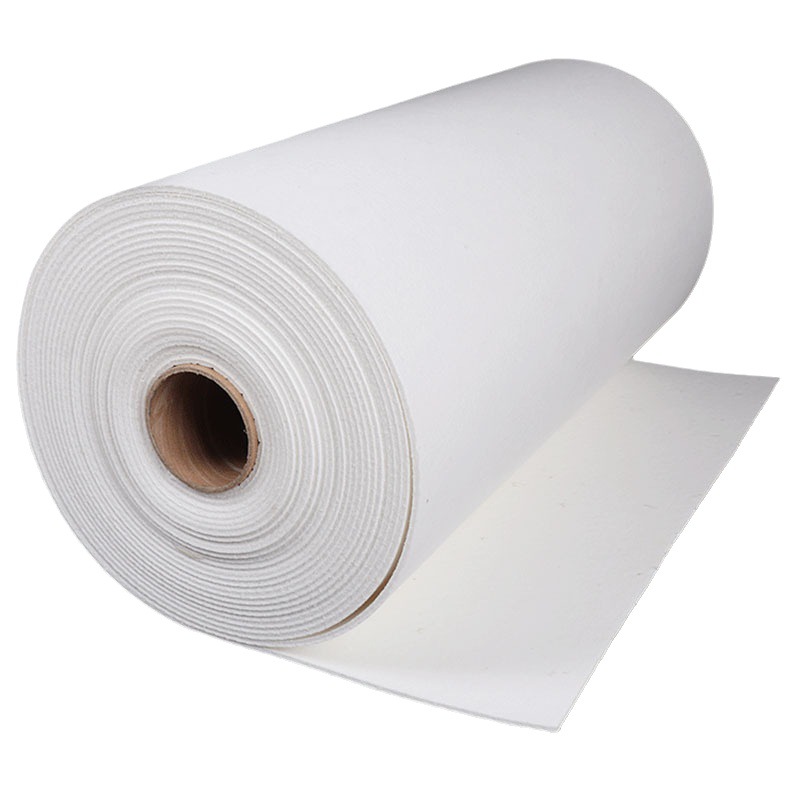
2. Using Scissors or a Cutter Blade
Following the marked edge lines, use scissors or a cutter blade to cut the ceramic fibre paper to size. During the cutting process, ensure that your tools are sharp and clean to avoid leaving burrs or impurities on the paper. At the same time, control the pressure applied to prevent the paper from tearing or splitting.
3. Checking and Trimming
Once cutting is complete, carefully check that the edges of the ceramic fibre paper are neat and smooth. If you find any burrs or uneven areas, you can use scissors to trim them slightly. Then, place the cut ceramic fibre paper on a dry, flat surface for subsequent use.
Cutting Ceramic Fibre Paper
The method for cutting ceramic fibre paper differs slightly from trimming, as cutting involves dividing the paper into shims, strips or smaller pieces, thus requiring more precise tools and techniques. The detailed steps for cutting ceramic fibre paper are as follows:
1. Selecting the appropriate cutting tools
Cutting ceramic fibre paper requires the use of specialised cutting tools, such as paper cutters, laser cutters or punching machines. Select the appropriate cutting tool based on the required dimensions and precision, and ensure it is clean, sharp and stable.
2. Secure the ceramic fibre paper
Place the ceramic fibre paper to be cut on the worktable of the cutting tool and secure it using clamps to ensure it does not move or shift during the cutting process. At the same time, ensure that the surface of the ceramic fibre paper is flat and free from creases or other impurities.
3. Adjust the cutting parameters
Adjust the cutting tool’s parameters, such as cutting speed and cutting depth, according to the required cutting dimensions and precision. At the same time, care must be taken to maintain the stability and precision of the tool to prevent errors or damage during the cutting process.
4. Perform the cut
Once the parameters have been adjusted, you may begin cutting. During the cutting process, control the pressure and speed carefully to avoid tearing or damaging the paper. At the same time, pay close attention to the quality and finish of the cut edges; if you notice any burrs or uneven areas, make adjustments or trims promptly.
5. Inspection and finishing
Once cutting is complete, carefully inspect the edges of the ceramic fibre paper to ensure they are neat and smooth. If any burrs or clumps of powder are found, these can be removed using a soft brush. Then, place the cut ceramic fibre paper on a dry, flat surface for subsequent use.
Trimming and cutting ceramic fibre paper can be carried out using not only standard tools such as scissors and blades, but also specialised tools and techniques. Care must be taken to ensure the surface of the ceramic fibre paper remains clean, dry and flat. During the process, it is important to control the pressure and speed applied to avoid damaging the paper or leaving behind impurities such as burrs or lint balls. At the same time, adjustments and finishing touches should be made according to the required dimensions and precision to ensure that the cut or trimmed ceramic fibre paper meets the specifications and maintains good sealing performance and thermal insulation properties.