Enterprises in sectors such as steel, metallurgy, petrochemicals and thermal power generation regularly replace insulation materials—such as ceramic fibre blankets, rock wool and glass wool—in their equipment and pipework, resulting in the dismantling and stockpiling of large quantities of waste insulation material each year. Such waste insulation material is generally classified as general industrial solid waste. The raw materials for waste ceramic fibre, rock wool and glass wool are primarily rocks such as basalt and quartz sand; it is unlikely that their leaching toxicity, when tested in accordance with GB 5086, would exceed the permissible limits. However, in cases where chemical pipelines leak and some residue remains trapped within the insulation, this material—when dismantled and stored in open-air areas—may generate leachate, thereby contaminating the site. Therefore, in accordance with the requirements of the ‘Waste Management Control Procedure’—a mandatory procedure under ISO 14001—both rock wool and glass wool are classified as hazardous waste insulation materials and must be disposed of in accordance with relevant laws and regulations. Ceramic fibre blankets, however, are not classified as hazardous waste insulation materials; uncontaminated ceramic fibre blankets may even be reused or used as packing material.
Common methods for disposing of waste insulation wool:
1. Landfilling: Scrap insulation wool that is uncontaminated and not mixed with hazardous waste does not constitute hazardous waste, but should be sent to a local landfill site for general industrial solid waste for disposal. According to Article 22 of the Solid Waste Law: ‘Where solid waste is transferred out of the administrative region of a province, autonomous region or municipality directly under the Central Government for storage or disposal, an application shall be submitted to the competent department for ecological environment of the people’s government of the province, autonomous region or municipality directly under the Central Government from which the solid waste is being transferred. Such transfer shall not be carried out without approval.’ Municipal waste landfills that have not received environmental impact assessment approval (for the reception of industrial solid waste) may not accept industrial solid waste; similarly, waste insulation wool that has not been tested and found to meet standards may not be disposed of in municipal waste landfills. Illegal landfilling, if reported and investigated, will result in penalties and an order to rectify the situation and retrieve the waste, and may also cause significant losses.
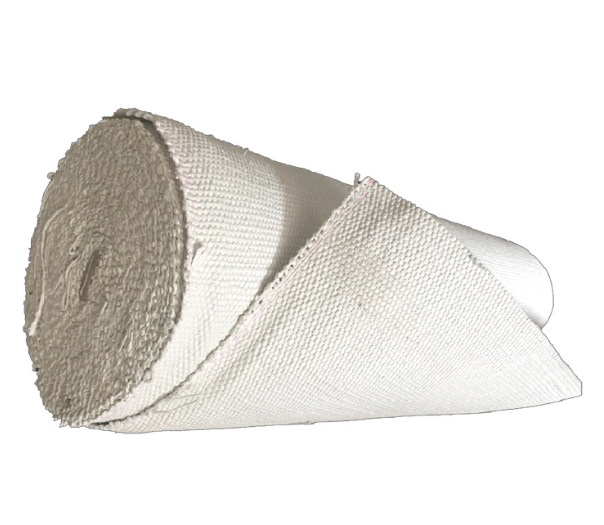
2. Incineration: The calorific value of waste insulation wool, ceramic fibre blankets and similar materials is close to zero, making them unsuitable for incineration. However, small quantities of insulation wool may be sent to industrial furnaces, cement kilns or municipal solid waste incineration power plants, provided that the receiving and processing enterprise has also completed an environmental impact assessment and obtained approval from the competent authority. The enterprise’s treatment project must comply with the relevant national pollution control standards for solid waste.
3. Reuse: Waste insulation wool intended for recycling is sorted and, following a series of processing steps, used as raw material for the production of new composite insulation materials or as building materials. However, projects involving the reuse of waste insulation wool must undergo an environmental impact assessment and be approved by the competent authority, and the new products manufactured must pass testing and acceptance by the relevant departments. The treatment process must comply with the relevant pollution control standards for solid waste.
In accordance with Article 36 of the Solid Waste Law, entities generating waste insulation wool shall establish and improve a system of environmental pollution prevention and control responsibilities covering the entire process of generation, collection, storage, transport, utilisation and disposal of waste insulation wool. They shall maintain management ledgers, accurately recording information such as the types, quantities, flow, storage, utilisation and disposal of the waste, to ensure that industrial solid waste is traceable and verifiable, and shall implement measures to prevent industrial solid waste from polluting the environment.
In summary, waste insulation wool must be disposed of in a reasonable and lawful manner. Generally, manufacturers using insulation materials such as ceramic fibre blankets will opt for incineration or enquire with suppliers or other relevant organisations as to whether they will recycle and reuse the waste insulation wool.