Energy-efficient lime kilns utilise advanced technology to improve fuel utilisation, whilst employing energy-saving insulation techniques to minimise unnecessary energy losses. This is due to the specialised structural design of the combustion chamber in these new-generation lime kilns, which utilises innovative insulation materials—such as ceramic fibre blankets and high-alumina bricks—to enhance heat utilisation. As a result, fuel efficiency is improved and emissions are reduced.
Statistics show that heat loss through the kiln body accounts for approximately 60 per cent of total heat loss; consequently, the thermal insulation materials used in the kiln body are of paramount importance. The insulation layer must possess sufficient thickness and a low thermal conductivity to ensure uniform temperatures at both the periphery and centre of the firing zone, thereby enhancing clinker quality. As the formation of large clinker lumps at the centre is reduced, ventilation is improved, which also contributes to increased lime kiln output. Ceramic fibre blankets are highly effective when used as backing blankets and are easy to install!
A typical kiln lining structure currently consists, from the kiln wall outwards, of the following insulation layers: four layers of 50 mm thick ceramic fibre blankets, one layer of 17 high-alumina bricks, and one layer of 16 high-alumina bricks.
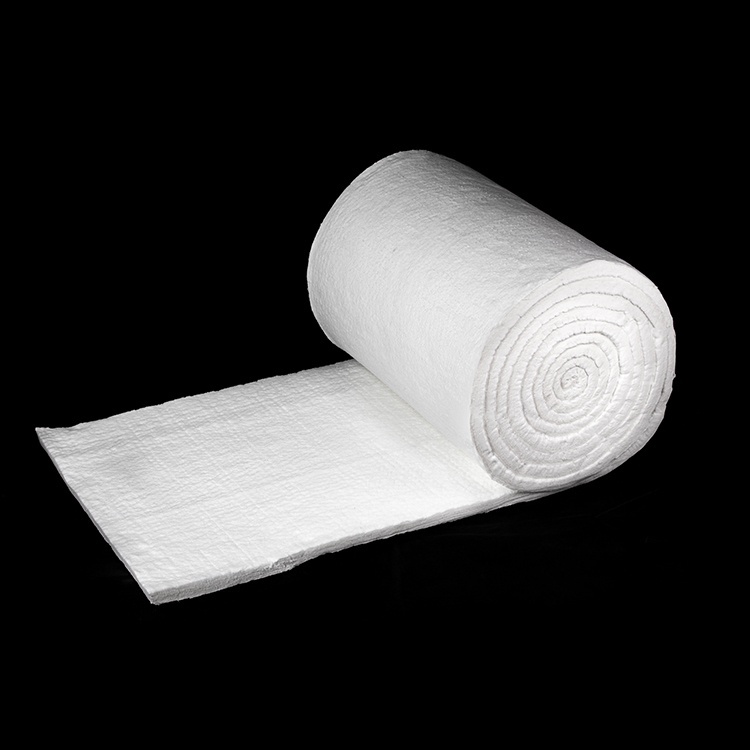
The temperature at which limestone is calcined into lime is around 1,000 °C, generally controlled between 900 and 1,000 °C. As the backing layer containing the ceramic fibre blanket does not come into direct contact with the furnace chamber, the temperature is slightly lower, so standard ceramic fibre blankets may be selected.
Ceramic fibre blankets laid vertically can be bonded using specialised adhesive, although securing them with Y-shaped nails provides greater stability. The use of ceramic fibre blankets prevents damage to or loss of the outer insulation layer caused by the localised detachment of refractory bricks, thereby enhancing the overall thermal insulation performance of the lime kiln. This reduces fuel consumption in the lime kiln whilst minimising the amount of pulverised coal required, thus ensuring the quality of the lime.
The interior of a lime kiln provides the conditions for the decomposition of calcium carbonate in limestone at a high temperature of 1,250 degrees Celsius; this temperature is already extremely high, therefore, the refractory materials, the ceramic fibre blankets in the insulation layer, the filling materials and the external steel plates of the lime kiln must all be inspected regularly. Should any issues arise, this could result in damage to the rotary equipment or, in the case of the lime production line, poor-quality lime and a sharp drop in output.