Before the discovery and adoption of ceramic fibre paper, most pulp moulding factories struggled with the after-effects of ‘high-temperature problems’ in their equipment and persistently high energy costs. Mould temperatures ranged from 200–250 °C, with some machines reaching as high as 270 °C during downtime. At the same time, as the thermal insulation materials selected were ill-suited to the hot and humid environment in terms of both temperature resistance and thermal insulation performance, heat from the moulds continually escaped, leading to a range of adverse consequences:
Firstly, the company’s natural gas or electricity bills remained persistently high, making it difficult to control competitive costs;
Secondly, the core components of the equipment suffered premature failure due to prolonged exposure to high temperatures;
Thirdly, the mould insulation panels supplied by upstream equipment manufacturers were unsuitable for high-temperature, humid environments with steam, causing them to deform significantly, become frayed and extrude, and undergo carbonisation and delamination within a short period. This resulted in inaccurate mould compression and a reduced pass rate for packaged products;
Fourthly, the workshop environment remains persistently hot, frequently exceeding human tolerance levels, causing staff to suffer from physical discomfort and leading to high staff turnover.
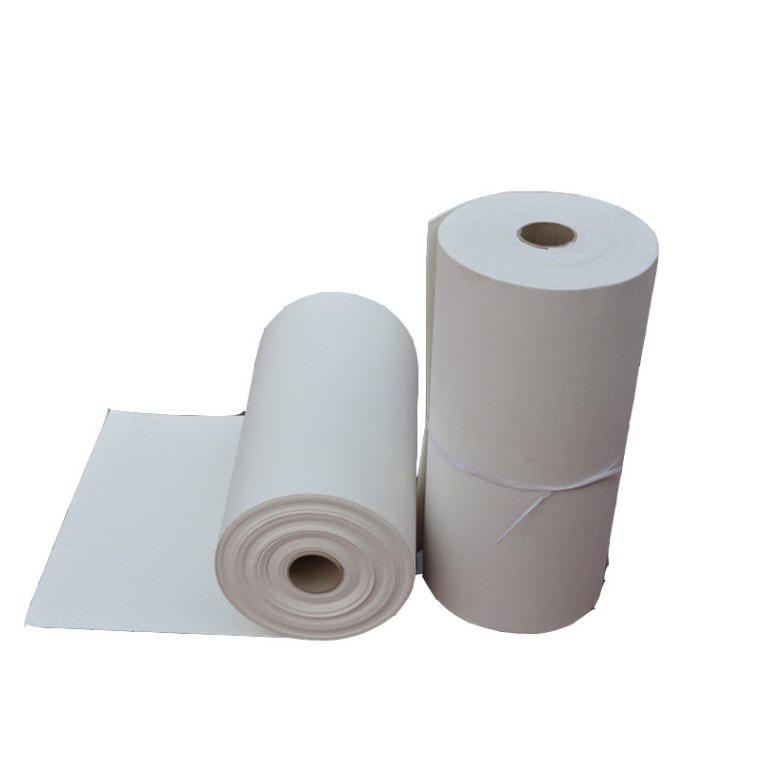
Paper pulp moulding manufacturers generally attach great importance to the functional specifications of thermal insulation materials in equipment design, striving to equip end customers with high-quality materials that save energy, reduce consumption, improve yield rates, and are environmentally friendly and durable. They recognise that the use of inferior thermal insulation materials will become a significant factor affecting the market competitiveness of equipment manufacturers. However, due to factors such as a lack of expertise in material identification or unfamiliarity with reliable supply channels, common practices include scouring the internet for options, purchasing substandard products at low prices, paying high prices for substandard products, or directly sourcing expensive foreign products for critical orders. In virtually every case, manufacturers can cite numerous materials that have been trialled but received poor evaluations, highlighting a lack of stable and reliable suppliers of thermal insulation materials. Consequently, they are deeply perplexed and seeking a breakthrough.
Ceramic fibre paper is an indispensable thermal insulation material for moulds in pulp moulding equipment, playing a crucial role in achieving energy savings of around 20 per cent. Since 2020, particularly following the easing of energy shortages, manufacturing enterprises in Guangdong, Fujian and Zhejiang have begun to switch to high-quality ceramic fibre paper on their own initiative, thereby realising effective energy savings. This has, in turn, compelled equipment manufacturers to actively seek thermal insulation materials offering excellent value for money to meet the demands of market competition.