The metallurgical industry is characterised by high temperatures. The smelting of various metals requires high temperatures. As temperature differences between the interior and exterior of furnaces result in a waste of thermal energy, thermal insulation materials are required to maintain the high efficiency of metallurgical furnaces. With ever-increasing production demands, traditional heavy-duty refractory materials can no longer meet current requirements. Today, Mu Yi will introduce the application of new thermal insulation materials, such as ceramic fibre boards, in industrial furnaces within the metallurgical and foundry sectors.
1. Homogenising Furnaces
Homogenising furnaces are used to heat steel ingots prior to rolling. Before being rolled to the temperature required for the rolling process, the steel ingots are heated and homogenised within the homogenising pit. The heating temperature of the steel ingots ranges from 1200–1250 °C, whilst the operating temperature inside the furnace reaches as high as 1350–1400 °C. These are furnaces with a periodic thermal system.
Traditional homogenising furnaces are constructed using refractory bricks. Silicon bricks are used in the middle section of the furnace walls, high-alumina bricks in the bottom and lower sections, magnesia bricks for the furnace floor, and special-shaped clay bricks for the movable furnace cover. With the widespread application of amorphous refractory materials, ceramic fibre boards have gradually replaced refractory bricks in homogenising furnaces, yielding excellent results.
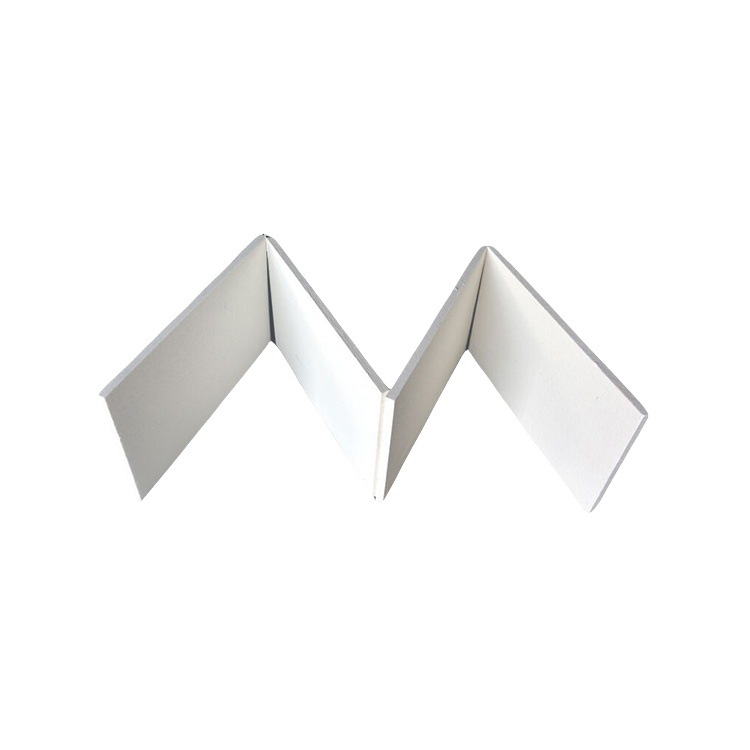
Heru ceramic fibre boards can be used as a permanent insulation layer on the cold surfaces of the furnace walls, in the sealing grooves of movable furnace lids (replacing the original sand sealing grooves), and for wall lining insulation in heat exchange chambers.
2. Push-type continuous heating furnaces
Push-type heating furnaces are thermal processing equipment designed to heat initial rolling billets or continuous casting billets to the temperature required for hot rolling. Depending on the thermal system, temperature system and furnace type, continuous heating furnaces can be classified as two-stage, three-stage or multi-point heating furnaces.
Heru ceramic fibre boards are generally used as wall lining materials in the preheating section, as well as backing insulation materials in the heating and homogenisation sections; they are also used as wall lining materials for flue systems and as thermal insulation for hot air ducts.
3. Ring-type heating furnaces
Ring-type heating furnaces also fall under the category of continuous heating furnaces and consist of a ring-shaped furnace chamber and a rotating furnace hearth. Ring-type heating furnaces are primarily used for heating circular billets and other irregularly shaped billets (such as wheel and tyre blanks), as well as square billets. They are generally used for billet heating prior to steel forging and rolling, and may also be used for heat treatment.
Following heating in a ring-type heating furnace, the inner ring wall expands towards the inner ring furnace shell, making the refractory lining prone to collapse; therefore, reinforcement measures must be taken. Owing to the excellent thermal stability of ceramic fibre, high-temperature ceramic fibre modules and ceramic fibre blankets are widely used to construct fully refractory fibre wall linings, with temperatures corresponding to those of each section.
4. Trolley Furnaces
Trolley furnaces are intermittent variable-temperature furnaces (during operation, the temperature in each section varies over time). The furnace is not divided into separate sections. In accordance with a specified heating temperature profile, the furnace temperature varies over time in a programmed manner. They are used for preheating ingots (or billets) prior to forging or for the heat treatment of workpieces.
Traditional furnaces with thick-walled refractory linings suffer from significant heat loss through radiation and heat storage, resulting in low thermal efficiency of the furnace chamber. The thermal efficiency of brick-lined bogie-type heating furnaces is approximately 15 per cent; however, by using Hru ceramic fibre boards as the lining material in an automatically controlled bogie-type heat treatment furnace, thermal efficiency can reach around 40 per cent, reducing capital investment costs and resulting in a lighter, more efficient furnace structure.