Energy consumption accounts for 40% of the costs associated with aluminium electrolysis cells. Energy conservation and consumption reduction in these cells are primarily achieved by lowering the temperature of the outer walls, improving current efficiency, and enhancing the thermal insulation of the cell lining to extend the service life of the cells, thereby saving energy, reducing consumption and increasing economic benefits. Ceramic fibre boards, with their low thermal conductivity, high compressive strength and excellent thermal insulation properties, are particularly suitable for use as the thermal insulation layer in the lining of aluminium electrolysis cells.
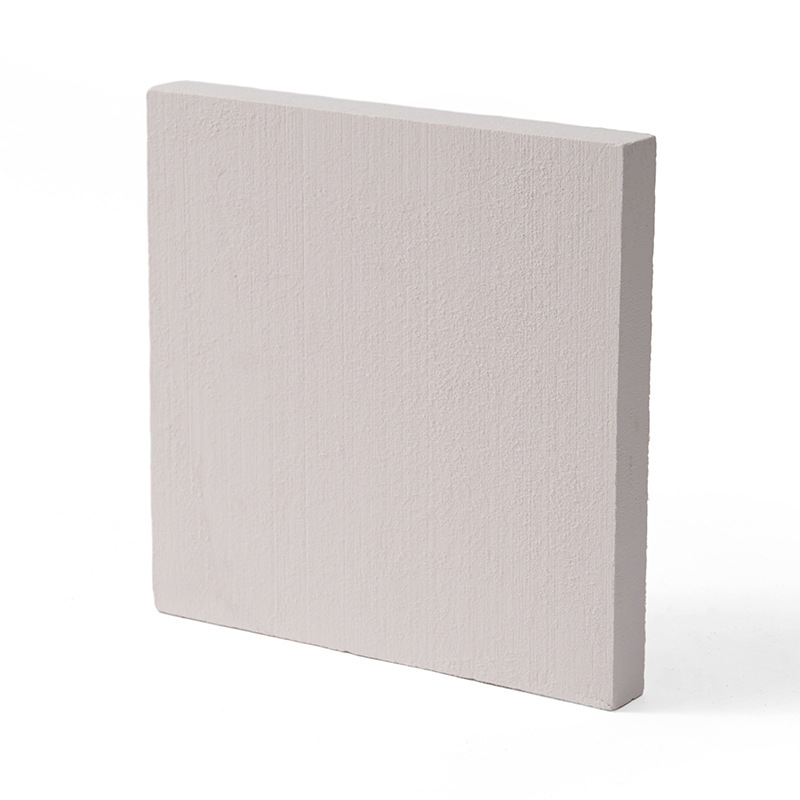
Installation method for ceramic fibre boards in aluminium electrolysis cells:
1. First, inspect and level the steel plates of the cell walls, and carry out standard rust removal and anti-corrosion treatment. For areas of the cell that cannot be levelled during maintenance, use aluminium oxide powder to achieve a level surface.
2. Lay the ceramic fibre boards flat against the furnace walls to the required thickness. Ensure that the joints between individual boards are tightly butt-jointed, whilst the joints between layers are staggered. Cut the boards flush at corners. After completing each layer of ceramic fibre board installation, it is essential to grout the joints with alumina powder to ensure optimal performance.
3. Once the ceramic fibre board installation is complete, lay insulation bricks and anti-seepage material on top.
Advantages of using ceramic fibre board lining for thermal insulation in aluminium electrolysis cells:
1. High toughness: The high ceramic fibre content ensures the boards possess excellent toughness, enabling them to absorb stresses caused by thermal expansion. This guarantees the safety and stability of the furnace lining, whilst addressing the issues of brittleness, fragility and high breakage rates associated with calcium silicate boards.
2. The dimensional tolerance of ceramic fibre boards is minimal, with deviations of less than 3 mm, making them easy to cut to shape and ensuring high installation quality.
3. High temperature resistance, with a service temperature of up to 1100°C.
4. Low thermal conductivity.
5. Chemically stable.
6. Consistent dimensions result in fewer installation joints and eliminate the need for expansion joints, thereby extending the service life of the aluminium electrolysis cell.
Precautions when using ceramic fibre boards in aluminium electrolysis cells:
When cutting ceramic fibre boards, a hand saw or electric saw should be used.
During installation, workers must wear personal protective equipment such as gloves and face masks.
Care must be taken to prevent water ingress and moisture during installation.
To prevent warping or deformation of the ceramic fibre boards during use, installation should not be carried out under conditions of stress.
Ceramic fibre boards must be installed flat, with tight, seamless joints.