The furnace lining utilises a lightweight, high-strength composite structure comprising materials such as multi-layer ceramic fibre blankets, which is far superior to traditional brick-based linings, primarily in the following respects:
(1) Enhanced structural integrity and stability of the furnace lining. The extensive use of unshaped refractory castables (or plastic refractories) as the working layer, which are cast (or rammed) as a single unit without brick joints, ensures excellent structural integrity and high airtightness. Furthermore, the stability of the lining is enhanced by the use of anchor bricks, improving resistance to mechanical vibration and impact, thereby extending the service life of the furnace.
(2) The extensive use of unshaped refractory materials eliminates the brick-making process, significantly shortening the production and delivery lead times for refractory materials and bringing forward the furnace construction schedule.
(3) A multi-layer thermal insulation lining improves thermal insulation performance and thermal efficiency, thereby saving energy. Due to the extensive use of lightweight insulating materials (such as lightweight insulating bricks, refractory ceramic fibre blankets and ceramic fibre boards), the thermal conductivity of the furnace lining is reduced, thermal insulation performance is improved and heat retention is enhanced. Heat loss is reduced, thermal utilisation is improved and production costs are lowered.
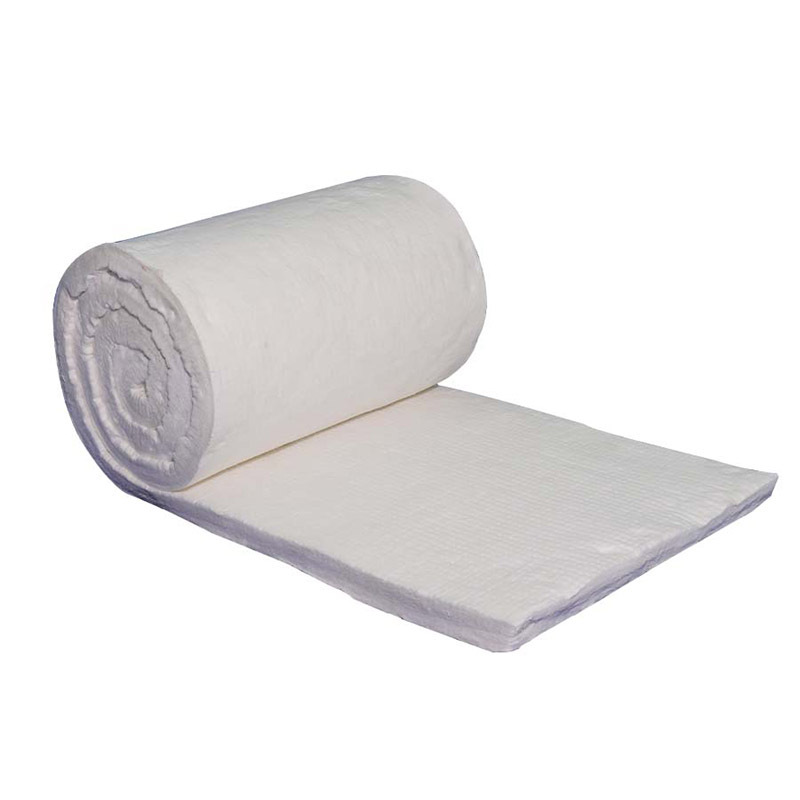 ceramic fibre blanket
(4) The reduced weight of the furnace lining structure lowers construction costs. The use of lightweight yet highly effective insulating materials—such as ceramic fibre blankets and boards—in a high-alumina composite structure allows for a thinner furnace lining. Compared to traditional brick linings, composite linings of the same scale weigh approximately 40 per cent less. This significant reduction in lining weight leads to a substantial decrease in the cost of refractory materials required for the furnace, whilst also considerably shortening the furnace construction period.
(5) The extensive use of unshaped refractory materials, cast as a single unit or rammed into place, has increased the level of mechanisation in construction, thereby improving operational efficiency whilst reducing the physical strain on workers.
Owing to the aforementioned characteristics of composite furnace linings, they have found widespread application in heating furnaces. Consequently, improving the technical standards of heating furnace construction is a matter of the utmost urgency for furnace-building contractors.