Ceramic fiber blankets are commonly used as thermal insulation materials in industrial applications, and their thermal insulation performance directly impacts equipment operational efficiency and energy consumption control. Through scientific testing and real-world application cases, the core advantages of ceramic fiber blankets can be more clearly demonstrated.
In thermal insulation performance testing, thermal conductivity testing is a key indicator. Typically, the hot wire method or plate method is used to test ceramic fiber blankets across different temperature ranges (e.g., 200°C–1200°C). Data shows that high-quality ceramic fiber blankets can achieve thermal conductivity as low as 0.03–0.1 W/(m·K), significantly lower than traditional insulation materials. Additionally, thermal shock stability testing is indispensable. This involves repeatedly heating the blanket to its rated high temperature and then rapidly cooling it to observe structural changes. Qualified ceramic fiber blankets maintain their integrity after hundreds of thermal shock cycles, showing no cracking or powdering, ensuring stable long-term thermal insulation performance.
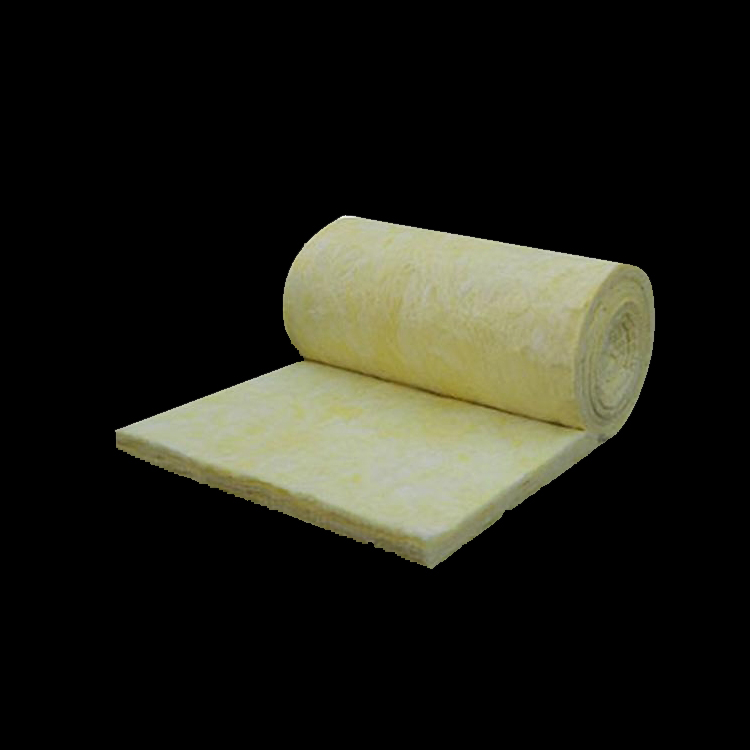
Another important test is high-temperature shrinkage rate testing. The ceramic fiber blanket is placed in a high-temperature furnace for constant-temperature burning. The shrinkage rate of high-quality products is typically below 3%, preventing insulation layer failure caused by high-temperature deformation. Additionally, fire resistance limit testing verifies the insulation duration of the ceramic fiber blanket under sustained high temperatures, providing a basis for material selection under different operating conditions.
In practical applications, a case study of a steel plant’s furnace renovation is highly representative. Before the renovation, traditional insulation bricks were used, resulting in a surface temperature of the furnace body as high as 150°C and severe heat loss. After replacing them with 50mm-thick ceramic fiber blankets, the surface temperature of the furnace body dropped below 60°C, saving approximately 15% in natural gas consumption per month. Additionally, the lightweight characteristics of the ceramic fiber blankets reduced the load on the furnace body, extending the service life of the equipment.
In insulation projects for chemical reactors, ceramic fiber blankets also demonstrated outstanding performance. A company sought to reduce the outer wall temperature of a reactor (originally 80°C). After wrapping the reactor with two layers of ceramic fiber blankets, the outer wall temperature dropped to 35°C. This not only improved the workshop working environment but also addressed issues of reduced reaction efficiency caused by heat loss, resulting in annual energy cost savings exceeding 100,000 yuan.
Additionally, in thermal insulation tests for non-ferrous metal smelting furnaces, ceramic fiber blankets demonstrated significant thermal insulation performance at 1,000°C. Comparative tests showed that compared to aluminum silicate wool of the same thickness, ceramic fiber blankets reduced heat loss by 25%, and after six months of continuous use, their thermal insulation performance decreased by only 3%, far outperforming traditional materials.
These test data and real-world cases fully demonstrate that ceramic fiber blankets, with their outstanding thermal insulation performance, hold irreplaceable value in the field of industrial energy conservation. Selecting ceramic fiber blankets that meet testing standards can provide reliable thermal insulation assurance for efficient equipment operation.