In thermal insulation projects for industrial high-temperature equipment, the thermal conductivity of ceramic fiber boards is a key indicator of their thermal insulation performance. Different models of ceramic fiber boards exhibit varying thermal conductivity due to differences in raw material ratios and production processes. Understanding these differences helps users select the most suitable product based on actual operating conditions, thereby achieving optimal energy savings and thermal insulation effects.
Common ceramic fiber boards are classified by temperature into types such as 1260 standard type, 1400 high-purity type, and 1600 high-aluminum type. Taking a well-known brand’s product as an example, the 1260 standard-type ceramic fiber board has a thermal conductivity of 0.08–0.09 W/(m·K) at an average temperature of 400°C; at 600°C, it rises to 0.13–0.14 W/(m·K); at 800°C, it reaches 0.2–0.18 W/(m·K); and at 1000°C, it stabilizes at 0.2–0.21 W/(m·K). This model is suitable for most industrial furnaces, heat treatment furnaces, and other conventional high-temperature equipment, effectively blocking heat transfer and reducing energy loss.
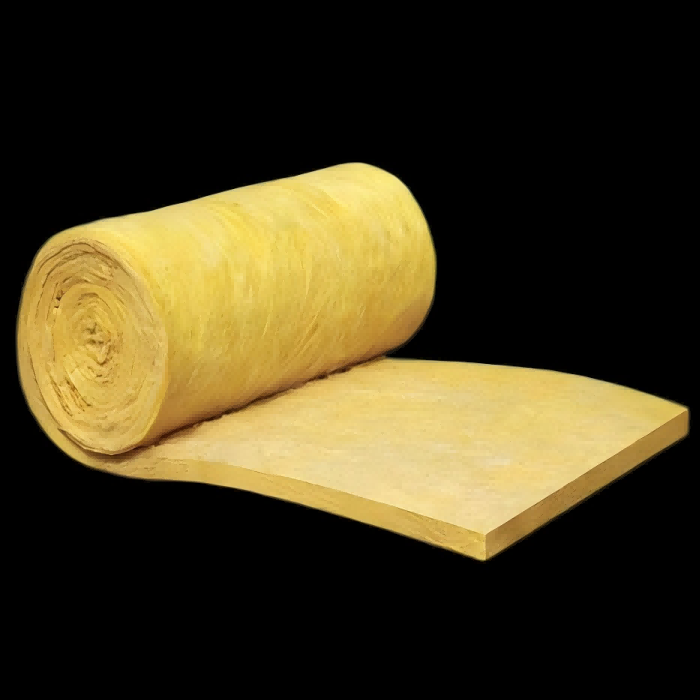
The 1400 high-purity ceramic fiber board offers superior thermal conductivity control. Within the same temperature range, at 400°C, its thermal conductivity is as low as 0.06–0.07 W/(m·K), approximately 20%–25% lower than the 1260 standard type; at 600°C, it is 0.09–0.10 W/(m·K); at 800°C, it ranges from 0.13–0.15 W/(m·K); At 1000°C, it remains at 0.16–0.18 W/(m·K). This makes high-purity ceramic fiber boards excel in high-temperature environments with extremely high insulation requirements, such as glass melting furnaces and non-ferrous metal smelting furnaces, significantly reducing equipment heat loss and improving energy efficiency.
1600 high-alumina ceramic fiber boards primarily emphasize high-temperature resistance, but their thermal conductivity is also outstanding. At 400°C, the thermal conductivity is 0.07–0.08 W/(m·K); at 600°C, it ranges from 0.10 to 0.12 W/(m·K); at 800°C, it is approximately 0.14–0.16 W/(m·K); and at 1000°C, it stabilizes at 0.18–0.20 W/(m·K). Its low thermal conductivity at ultra-high temperatures provides reliable thermal insulation for extreme conditions such as rocket engine combustion chambers and ultra-high-temperature experimental furnaces.
By comparison, it can be observed that as the model of the ceramic fiber board is upgraded, its thermal conductivity at various temperatures generally decreases, and its thermal insulation performance gradually improves. When selecting ceramic fiber boards, users should consider factors such as equipment operating temperature and thermal insulation requirements, refer to the thermal conductivity data of different models, and choose the most suitable product to fully leverage the energy-saving advantages of ceramic fiber boards in high-temperature thermal insulation applications, reduce equipment operating costs, and enhance the economic efficiency and safety of industrial production.