In pipeline insulation projects, the quality of ceramic fiber blanket installation directly impacts insulation performance and pipeline service life. Mastering the correct installation method can fully leverage the insulation advantages of ceramic fiber blankets and reduce energy loss.
Prior to installation, proper pipeline pre-treatment is required. First, clean rust, oil stains, and debris from the pipeline surface to ensure it is smooth and dry, preventing contaminants from affecting adhesion between the ceramic fiber blanket and pipeline. For pipes with protrusions or welded joints, use specialized tools to grind them smooth to prevent sharp edges from puncturing the ceramic fiber blanket. Additionally, calculate the required quantity of ceramic fiber blanket based on the pipe diameter and length in advance. When cutting, leave a 10%-15% overlap allowance to ensure no gaps during installation.
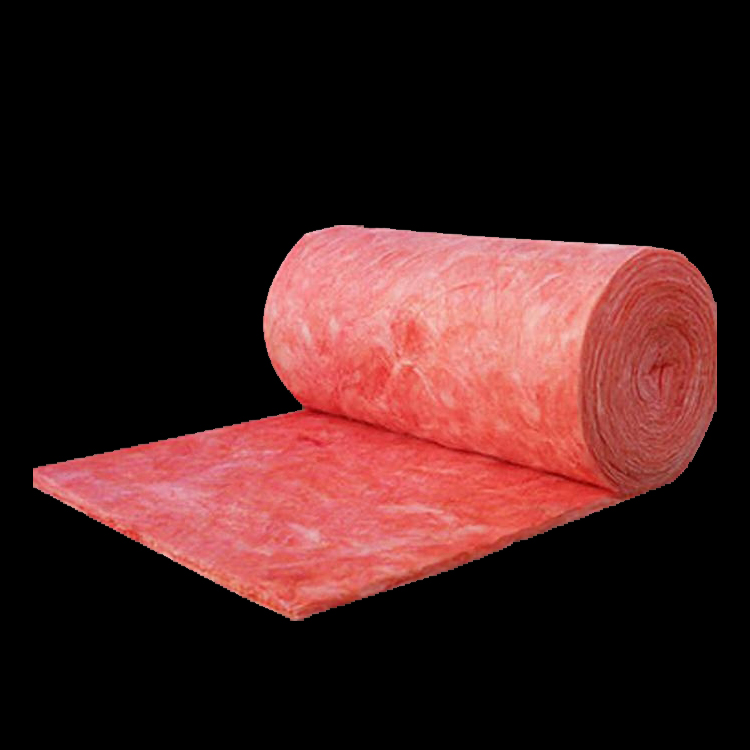
During installation, pay attention to the wrapping method and fixation details. For horizontal pipes, use a spiral wrapping method to install the ceramic fiber blanket. Maintain uniform tension during wrapping to ensure the blanket adheres tightly to the pipe surface. The overlap width between adjacent layers should be no less than 50mm, and the overlap direction should align with the pipe slope to prevent water ingress. For vertical pipes, use segmented installation, with each segment controlled to a length of 1–1.5 meters. Secure with high-temperature-resistant stainless steel ties, spaced no more than 300mm apart. Tie joints must face the inner side of the pipe to avoid friction damage with the external protective layer.
Seam treatment is critical for enhancing insulation performance. Longitudinal seams of the ceramic fiber blanket must be overlapped with staggered joints, with a staggered distance of no less than 200mm. Transverse seams should be overlapped or interlocked, with gaps filled using ceramic fiber cotton and sealed with high-temperature adhesive to prevent heat loss through the seams. For irregular areas such as valves and flanges, the ceramic fiber blanket should be cut into fan-shaped or trapezoidal pieces, applied layer by layer, and secured with stainless steel wire to ensure no exposed areas in complex sections.
After installation, apply a protective layer. Wrap galvanized steel plates or aluminum foil glass cloth around the outer side of the ceramic fiber blanket. Secure the overlaps of the protective layer with rivets, and apply waterproofing treatment to the edges to prevent moisture from penetrating the ceramic fiber blanket and affecting its insulation performance. Simultaneously inspect the overall installation quality to ensure the ceramic fiber blanket is secure, undamaged, and that the fasteners are firmly fixed.
Following the above methods for laying ceramic fiber blankets can effectively enhance pipeline insulation performance, reduce heat loss, and extend pipeline service life, making it an economical and efficient solution for industrial pipeline insulation projects.