In the design of household ovens, the insulation layer is a core component ensuring both operational safety and energy efficiency. Ceramic fiber wool, with its lightweight properties and low thermal conductivity, has become a common material for oven insulation. Safety assessments of ceramic fiber wool used in household oven insulation must be conducted from multiple dimensions—covering the oven’s temperature range, usage scenarios, and user contact risks—to ensure it meets insulation requirements while posing no safety hazards during long-term use.
High-temperature resistance is the primary assessment criterion. Standard operating temperatures for household ovens range from 100°C to 250°C, with some high-temperature baking modes reaching 300°C. Ceramic fiber wool with a high-temperature resistance rating ≥600°C (such as standard aluminosilicate ceramic fiber wool) must be selected. Test data shows that after continuous operation at 300°C for 72 hours, this ceramic fiber insulation exhibits no significant fiber brittleness or shrinkage, with a thermal shrinkage rate ≤1%, fully meeting oven temperature requirements. Avoid using industrial-grade low-grade ceramic fiber wool (heat resistance <400°C). Such materials are prone to fiber shedding under oven temperatures, compromising insulation effectiveness and posing safety risks from airborne fibers.
Safety regarding hazardous substance release requires rigorous verification. As household ovens directly contact food, ceramic fiber wool must comply with national food safety standards (e.g., GB 4806 series) for substance emissions. Professional testing agencies should conduct volatile organic compound (VOC) and heavy metal (lead, cadmium, etc.) release tests on ceramic fiber wool. Qualified food-grade ceramic fiber wool should exhibit VOC emissions <0.1mg/m³ at oven operating temperatures, with undetectable heavy metals, ensuring no contamination of food via thermal radiation or air conduction. Note: If inferior binders are used during ceramic fiber cotton production, harmful substances like formaldehyde may be released at high temperatures. Therefore, choose ceramic fiber cotton with no or minimal binders, or ensure the binder meets food contact safety standards.
Thermal insulation stability directly impacts usage safety. When used in oven insulation layers, ceramic fiber wool must maintain consistent thermal performance over extended periods while keeping the oven exterior within safe temperature limits (touch-safe, typically ≤45°C). Simulating typical household oven usage (2 hours daily for 6 consecutive months), testing revealed that tightly packed ceramic fiber insulation maintained oven exterior temperatures between 38°C and 42°C, with an ambient temperature differential ≤20°C and no localized overheating. If the ceramic fiber cotton is not densely packed or develops localized collapses, gaps may form in the insulation layer. This could cause localized oven shell temperatures to rise above 55°C, posing a burn hazard. Therefore, it is essential to evaluate the bulkiness and resilience of the ceramic fiber cotton to ensure it maintains structural integrity under prolonged oven vibration and temperature fluctuations.
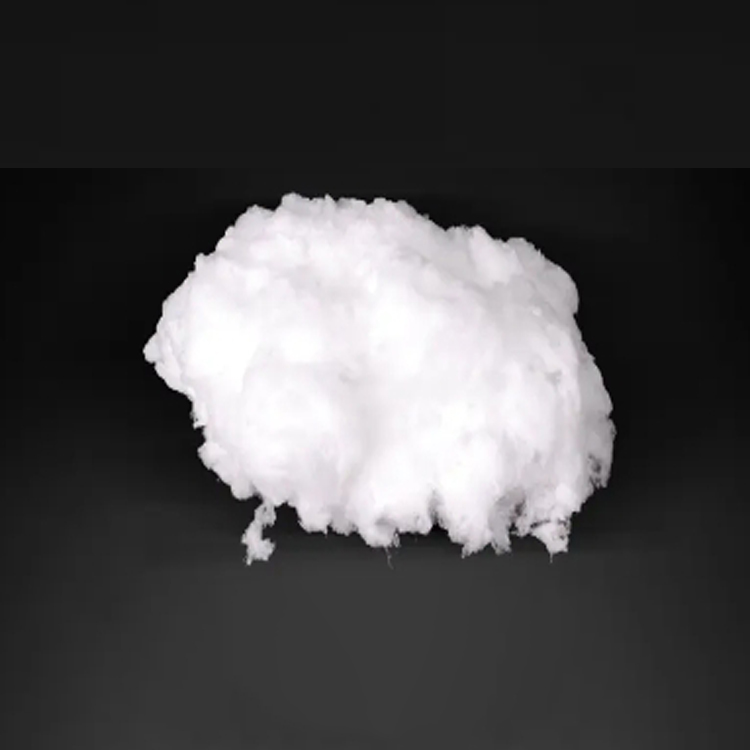
User contact safety and protective design must not be overlooked. Household ovens must prevent direct user contact with ceramic fiber wool during cleaning and operation. Therefore, the outer surface of the ceramic fiber wool must be wrapped with a high-temperature resistant protective layer (e.g., glass fiber cloth, high-temperature resistant plastic film). This protective layer must provide excellent sealing to prevent ceramic fiber wool fibers from shedding. Additionally, areas prone to wear, such as oven doors and corners, require reinforced fixation of the ceramic fiber wool to prevent displacement or exposure due to repeated opening and closing. Furthermore, the risk of dust release from ceramic fiber wool must be evaluated. Qualified ceramic fiber wool does not release significant dust during normal use; only minor fiber shedding may occur during violent disassembly. The sealed design of household ovens completely prevents fiber contact with users.
Overall, standard-compliant ceramic fiber wool used in household oven insulation layers meets safety requirements for high-temperature resistance, harmful substance release, and thermal stability. Provided material selection is compliant and protective installation is thorough, ceramic fiber wool delivers a safe and efficient insulation solution for household ovens. This ensures user safety while contributing to the oven’s energy efficiency and reduced consumption.