In the high-temperature, high-radiation environments of steel mills, protective clothing serves as the final line of defense for worker safety. Ceramic fiber cloth, with its exceptional heat resistance and thermal radiation protection, has become the core material for protective gear in steel mills. Its practical application balances protective requirements with operational convenience, establishing a reliable safety barrier for steelworkers.
During the fabric selection phase for protective clothing, the performance compatibility of ceramic fiber cloth is critical. Areas like converters and continuous casting in steel mills can experience instantaneous temperatures exceeding 1200°C, necessitating ceramic fiber cloth with a high-temperature resistance rating ≥1000°C as the outer base material for protective suits. In practice, a composite fabric structure combining zirconia-based ceramic fiber cloth with glass fiber cloth is employed. The outer ceramic fiber layer blocks high temperatures and radiation, while the inner glass fiber layer enhances fabric toughness. Testing confirms this composite fabric maintains an inner layer temperature below 50°C after 30 seconds of continuous exposure to 1000°C, meeting safety standards. Simultaneously, the breathability of ceramic fiber fabric requires optimization. Special weaving techniques preserve microscopic breathable pores, preventing workers from experiencing stuffiness during prolonged wear and balancing protective performance with comfort.
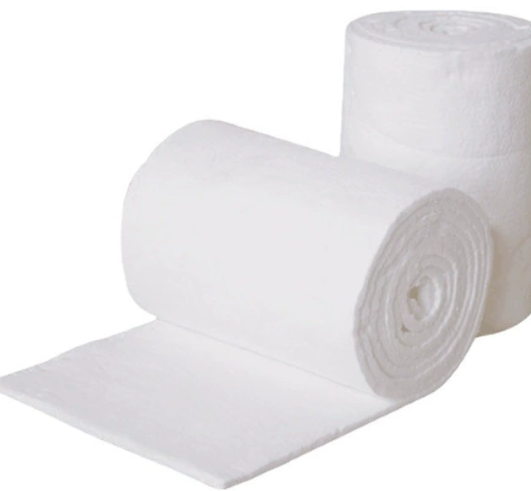
The protective suit’s structural design is optimized to leverage ceramic fiber fabric properties. Addressing common splatter burn risks in steel mills, double-layered ceramic fiber fabric is sewn at critical points like cuffs, collars, and pant hems, sealed with high-temperature-resistant hook-and-loop fasteners to prevent molten steel ingress. The back incorporates an adjustable ceramic fiber pad to enhance shielding against high-temperature radiation. High-density ceramic fiber fabric is layered over wear-prone areas on the chest and arms, boosting abrasion resistance and extending garment lifespan. Practical data from a steel mill shows that ceramic fiber protective suits with this structural design achieve an average service life of 6 months—3 months longer than traditional suits—reducing replacement costs.
In real-world applications, ceramic fiber fabric protective suits demonstrate significant advantages. During converter tapping operations, workers wearing these suits can perform close-range tasks as the fabric effectively blocks high-temperature radiation, preventing skin burns. During continuous casting machine maintenance, the outer ceramic fiber layer can directly contact equipment surfaces at approximately 800°C without significant damage. Additionally, the lightweight nature of ceramic fiber cloth (≤500g per square meter) reduces worker burden and enhances operational flexibility. Workers at a steel plant reported a 20% increase in movement range during equipment maintenance while wearing ceramic fiber cloth protective suits compared to traditional suits, significantly improving work efficiency.
Post-maintenance procedures must adhere to the fabric’s properties. Used ceramic fiber protective suits should not be washed; instead, surface dust should be removed using compressed air. For minor localized damage, patches made from ceramic fiber fabric and high-temperature adhesive can be applied to extend the suit’s service life. Through standardized application and maintenance, ceramic fiber fabric continues to deliver safety protection in steel mill protective suits, serving as a vital safeguard for workers’ operational safety.