In kiln production for industries such as ceramics and metallurgy, kiln car platforms must withstand frequent loading and unloading of materials in high-temperature kilns. They endure prolonged thermal shock cycles between ambient temperatures and temperatures exceeding 800°C, followed by rapid cooling back to ambient conditions. Conventional ceramic fiber boards often exhibit insufficient thermal shock resistance, leading to cracking and delamination. This results in thermal insulation failure and platform damage. To address this challenge, an optimized thermal shock resistance solution for ceramic fiber boards used in kiln car platforms must be developed across three dimensions: material composition, structural design, and installation methodology. This ensures long-term stable performance.
Material selection forms the core foundation for enhancing thermal shock resistance. Zirconia-containing ceramic fiber boards (ZrO₂ content ≥15%) should be prioritized. Their fiber crystal structure is more stable, with a thermal expansion coefficient only 60% that of standard ceramic fiber boards, resulting in lower internal stress during rapid temperature changes. Comparative testing shows that zirconia-containing ceramic fiber boards exhibit no significant cracks after 100 thermal cycles from 25°C to 800°C, whereas standard ceramic fiber boards develop surface cracks after just 50 cycles. Additionally, the bulk density of ceramic fiber boards must be controlled between 220-240 kg/m³. Too low a density leads to structural looseness, while too high a density increases thermal stress. Boards within this density range ensure structural strength while utilizing micro-voids between fibers to buffer thermal expansion, further enhancing thermal shock resistance.
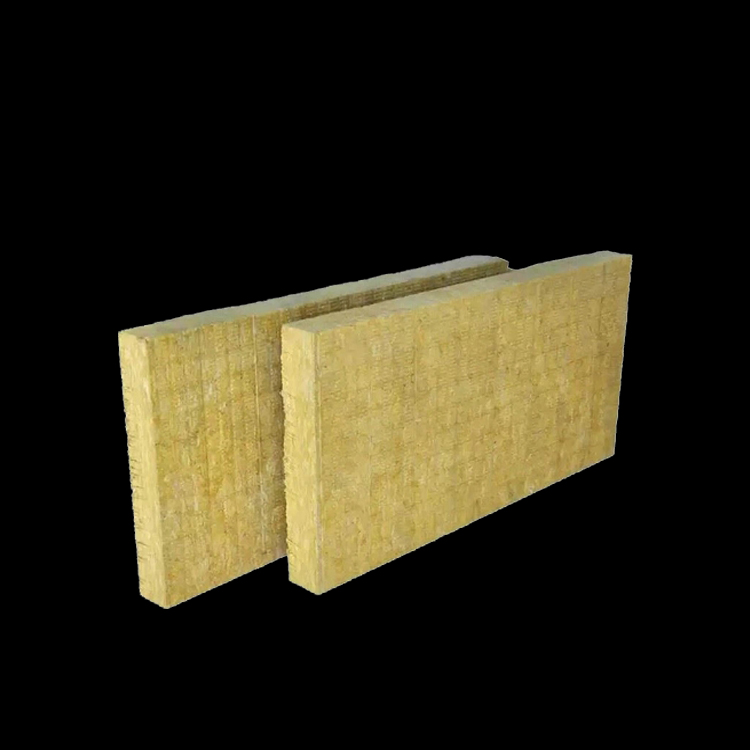
Structural design optimization disperses thermal shock stresses. When installing ceramic fiber boards on kiln car platforms, adopt a “layered staggered joints + reserved expansion gaps” structure: The base layer consists of 30mm thick zirconia-containing ceramic fiber boards for thermal insulation. The intermediate layer features 20mm thick high-alumina ceramic fiber boards for enhanced support. The top layer comprises 10mm thick high-density ceramic fiber boards (density 260kg/m³) to improve wear resistance. Joints between the three layers must be staggered by at least 100mm to prevent continuous stress concentration points. Simultaneously, 5mm-wide expansion joints are reserved every 1.5m along the kiln car platform length. These joints are filled with ceramic fiber batting to provide expansion space for the ceramic fiber boards during high-temperature expansion, preventing compression cracks caused by thermal expansion and contraction. After implementing this structure, a ceramic factory extended the thermal cycle life of its kiln car platform ceramic fiber boards from 6 months to 18 months.
Improving construction techniques is crucial for ensuring thermal shock resistance. Before installation, the kiln car platform must undergo leveling treatment, with deviations controlled within 2mm/m to prevent uneven stress distribution on the ceramic fiber boards due to surface irregularities. During installation, apply a high-temperature adhesive (temperature resistance ≥1000°C) to the joints between ceramic fiber boards. Ensure the adhesive evenly covers the joints with a thickness of 1-2mm, guaranteeing a tight yet flexible bond that allows minor deformation with temperature changes. After installation, apply a high-temperature curing silane coating (3-5μm thick) to the ceramic fiber board surface. This coating enhances inter-fiber bonding to reduce fiber shedding at high temperatures while forming a dense protective film that minimizes thermal shock damage to the board surface.
Additionally, routine maintenance must complement thermal shock resistance optimization. After each kiln car cooling cycle, promptly remove material residues from the ceramic fiber board surface to prevent chemical reactions at high temperatures. Regularly inspect the ceramic fiber batting within expansion joints, replacing aged sections to ensure proper expansion functionality. Through synergistic optimization of material, structure, and installation, the thermal shock resistance of ceramic fiber boards used on kiln car surfaces can be enhanced by 2-3 times. This significantly reduces maintenance costs and provides reliable assurance for continuous, stable kiln production.