The thermal insulation performance of industrial kilns directly impacts production efficiency and energy consumption. When ceramic fiber insulation boards show signs of aging or damage, timely replacement is crucial to ensuring the normal operation of the kiln. Adhering to scientific operating procedures ensures that the replaced ceramic fiber insulation boards fully utilize their thermal insulation capabilities, thereby extending the service life of the kiln.
Preparatory work before replacement is the foundation of safe construction. First, the furnace must be thoroughly cooled down to ensure the internal temperature drops below 50°C, preventing high-temperature operations from causing safety incidents. Simultaneously, residual materials and debris inside the furnace should be cleared, and the furnace structure inspected for cracks or deformation. Damaged furnace frames should be repaired and reinforced. Based on the kiln dimensions and insulation requirements, prepare ceramic fiber insulation boards of the appropriate model in advance, along with specialized cutting tools, high-temperature adhesives, stainless steel anchors, and other auxiliary materials to ensure material specifications match the kiln operating conditions. Construction personnel must wear dust masks, heat-resistant gloves, and other protective gear, and set up temporary ventilation facilities to minimize dust hazards.
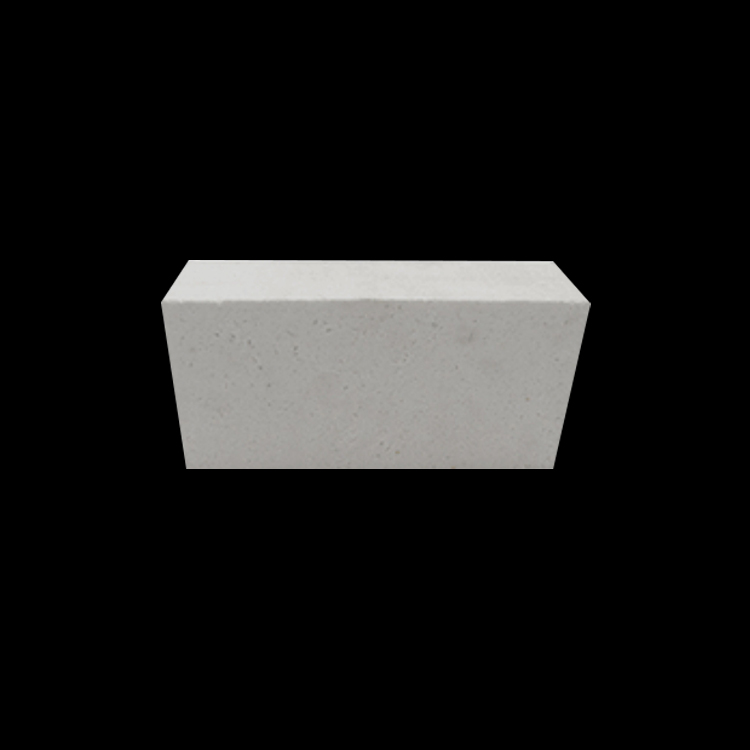
The removal of old materials must prioritize safety and integrity. Use specialized tools to carefully peel off the old ceramic fiber insulation boards, avoiding forceful tearing that could damage the furnace structure. For areas tightly bonded to the furnace walls, first use a blade to create a gap before gradually removing the material to prevent fragments from falling into the furnace interior. During removal, collect and categorize the old ceramic fiber insulation boards, and dispose of them in accordance with environmental protection requirements to prevent fiber dust from polluting the environment. After removal, thoroughly clean residual adhesive and debris from the furnace wall surface, sand it smooth with sandpaper, and create a good foundation for installing new ceramic fiber insulation boards.
The installation of new ceramic fiber insulation boards must strictly follow specifications. Cut the ceramic fiber insulation boards according to the furnace wall dimensions, ensuring clean cuts, and leave a 5%-10% overlap allowance. During installation, use a staggered jointing method, laying the boards layer by layer from the bottom of the kiln upward. The overlap width between adjacent boards must be no less than 50mm. Secure the boards with stainless steel anchors, spaced at intervals of 300-500mm. The depth of the anchors into the furnace structure must be no less than 50mm to ensure secure fixation. The joints between panels must be filled with ceramic fiber cotton and sealed with high-temperature adhesive to prevent heat loss through gaps. For irregular areas such as kiln corners and doors, custom-cut ceramic fiber insulation panels must be used to ensure a tight fit with no voids.
A comprehensive inspection must be conducted after installation. Inspect whether the ceramic fiber insulation boards are laid flat, the fasteners are secure, and the joints are properly sealed. Start the furnace for low-temperature preheating and observe whether the boards exhibit abnormal deformation or cracking. After heating to the operating temperature, measure the outer wall temperature of the furnace body to ensure it is within the design range and confirm there is no significant heat leakage. After passing the inspection, record the replacement date and material specifications, establish a regular inspection log, and provide a basis for future maintenance.
Following the above operational procedures for replacing ceramic fiber insulation boards can effectively ensure the thermal insulation performance of industrial kilns, reduce energy loss, and provide a reliable guarantee for safe production.