The high-temperature, high-humidity environment of ship engine rooms poses a severe challenge to the moisture-proof performance of ceramic fiber blankets. Moisture not only causes a significant decline in the thermal insulation performance of ceramic fiber blankets, but may also lead to fiber structure aging and shorten their service life. Therefore, developing a scientific and effective moisture-proof solution is key to ensuring that ceramic fiber blankets perform stably in ship engine rooms.
Material selection is the foundation of moisture-proofing. It is recommended to prioritize the use of moisture-proofed, specialized marine-grade ceramic fiber blankets. These blankets are manufactured with special hydrophobic components added during production, significantly reducing the fibers’ water absorption properties. Comparative tests show that ordinary ceramic fiber blankets have a water absorption rate of 30% after 24 hours in an environment with 90% relative humidity, while moisture-proof ceramic fiber blankets can maintain a water absorption rate below 8%. Additionally, selecting high-density ceramic fiber blankets with a density of ≥128 kg/m³ enhances moisture-proofing capabilities from the source, as their tightly packed fiber structure reduces pathways for moisture penetration.
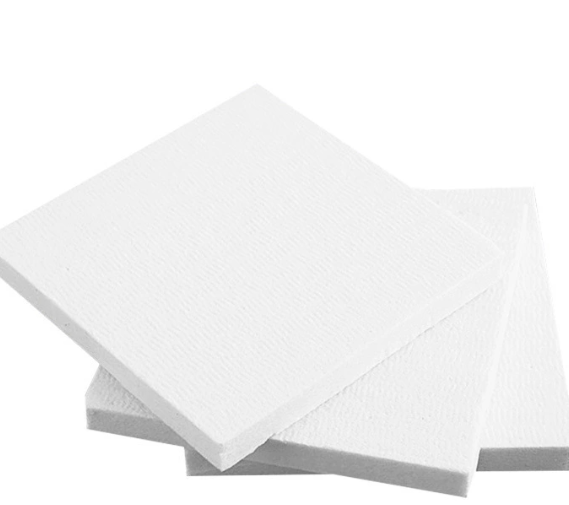
Optimizing construction techniques is critical to achieving effective moisture resistance. Before laying the ceramic fiber blanket, the inner walls of the engine compartment must be pre-treated to remove oil stains and rust, followed by the application of a high-temperature moisture-resistant primer. During installation, the “multi-layer staggered layering + sealed bonding” process is employed, with each layer of ceramic fiber blanket having joints offset by at least 100 mm. The joints are filled and sealed with high-temperature moisture-resistant adhesive to form a continuous moisture-resistant barrier. For the connection points between pipes and compartment walls, pre-fabricated ceramic fiber blanket components are used for wrapping, ensuring a tight fit with no gaps. Stainless steel bands are wrapped around the exterior for reinforcement to prevent moisture from infiltrating through the seams. A 0.5mm-thick aluminum foil composite protective layer is installed on the outer layer of the ceramic fiber blanket to further block moisture using the aluminum foil’s impermeability, while also enhancing thermal reflection performance.
Regular maintenance is a long-term measure to maintain moisture-proof performance. Establish a regular inspection system to observe the surface of the ceramic fiber blanket monthly for signs of moisture, discoloration, or fiber shedding. Replace damaged areas promptly if localized moisture is detected. Install temperature and humidity sensors in the engine room to monitor environmental humidity in real time. Activate the dehumidification system when humidity exceeds 75%. During scheduled ship inspections, dry the ceramic fiber blanket using methods such as hot air circulation drying or infrared heating to remove moisture adsorbed within the fibers and restore its thermal insulation and moisture-proof performance. Additionally, place bagged desiccants in critical areas of the compartment to assist in controlling local humidity, creating a multi-layered moisture-proof protection system.
Through the synergistic effects of material selection, construction optimization, and routine maintenance, the moisture-related issues of ceramic fiber blankets in ship engine compartments can be effectively addressed, ensuring their long-term maintenance of excellent thermal insulation performance and providing reliable support for the safe and stable operation of ship engines.