In the selection of materials for fire-resistant door curtains, ceramic fiber cloth stands out as the core material ensuring their fire-resistant performance due to its unique combination of properties. Its critical role in flame retardancy, thermal insulation, and structural stability directly determines the protective effectiveness of fire-resistant door curtains in fire scenarios.
The high flame retardancy of ceramic fiber cloth serves as the first line of defense for fire-resistant door curtains. This material is woven from inorganic ceramic fibers, which are inherently non-combustible and heat-resistant. Even when exposed to direct flame, it does not melt, drip, or release toxic fumes, effectively blocking the spread of flames. During a fire, the ceramic fiber cloth covering the surface of the curtain can withstand temperatures exceeding 1,000°C, providing valuable time for evacuation and firefighting operations. Compared to traditional fire-resistant fabrics, ceramic fiber fabric has a higher fire-resistant limit and can maintain structural integrity in sustained high-temperature environments, preventing the curtain from becoming a fire breach point due to material failure.
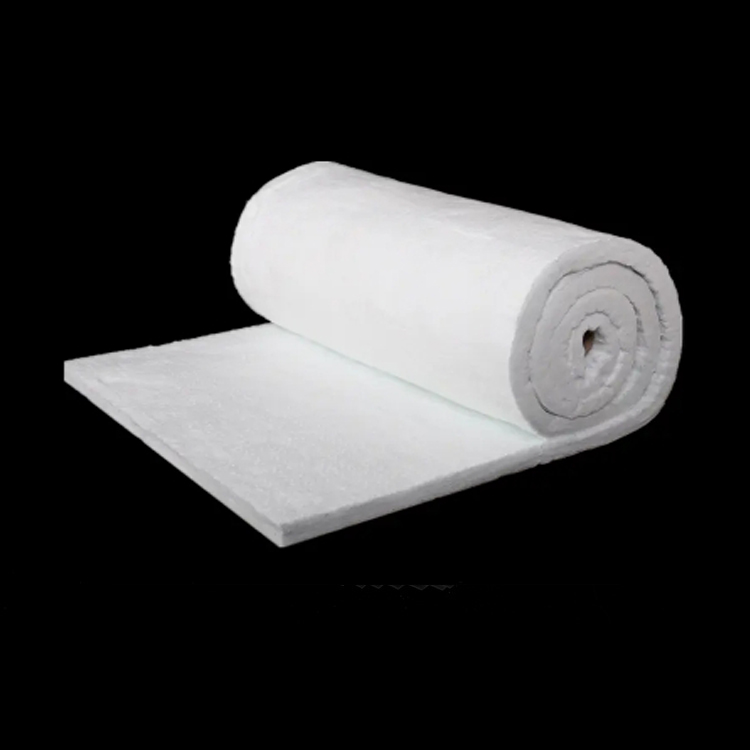
Thermal insulation performance is another core advantage of ceramic fiber fabric. Fire-resistant door curtains not only need to block flames but also reduce heat transfer to prevent sudden temperature increases on the other side of the curtain from causing secondary fires. The fiber structure inside ceramic fiber cloth forms numerous sealed pores, significantly reducing heat conduction efficiency. Test data shows that a 5mm-thick ceramic fiber cloth can achieve a temperature difference of over 300°C between the two sides of the curtain, effectively delaying the impact of high temperatures on non-fire areas during the early stages of a fire, thereby protecting equipment and personnel safety.
In terms of structural stability, ceramic fiber cloth provides the necessary impact resistance for fire-resistant door curtains. During a fire, airflow impacts or object collisions may occur. The high-strength woven structure of ceramic fiber fabric can withstand a certain degree of mechanical force, preventing the door curtain from tearing or damaging. Additionally, its excellent flexibility adapts to the opening and closing requirements of the door curtain. Even with repeated folding and stretching during daily use, it is unlikely to experience fiber shedding or performance degradation, balancing fireproof functionality with practical convenience.
Furthermore, the weather resistance and environmental friendliness of ceramic fiber fabric further enhance the overall value of fire-resistant door curtains. It is not easily affected by humid or acidic/alkaline environments, and long-term use does not result in mold growth or corrosion, reducing maintenance costs for the door curtains. As an inorganic material, it does not produce toxic or harmful substances when discarded, meeting the environmental requirements of modern fire safety standards.
From shopping malls, factories, to evacuation passages in high-rise buildings, ceramic fiber cloth enhances the fire-retardant, thermal insulation, and durability of fire-resistant door curtains, establishing a reliable passive fire barrier. Its critical role in fire-resistant door curtains makes it an important choice among fire safety materials, providing robust protection for fire prevention in various settings.