In industrial high-temperature protection and equipment insulation applications, ceramic fiber cloth often requires repeated use. Scientific cleaning methods are crucial for extending its lifespan and maintaining performance. Improper cleaning can lead to fiber shedding, structural damage, or diminished insulation properties. Therefore, a cleaning process tailored to the characteristics of ceramic fiber cloth must be followed to ensure it continues to function reliably after cleaning.
Pre-cleaning treatment is the primary step in protecting ceramic fiber cloth. First, remove large surface contaminants such as dust, debris, or residual materials. Use a soft-bristle brush for gentle sweeping or compressed air (pressure controlled at 0.3-0.5MPa) for distant blowing, avoiding direct high-pressure air impact that could cause fiber loosening. For stubborn oil stains or residues, gently wipe with a dry cloth dampened with a small amount of neutral solvent (e.g., isopropyl alcohol). Avoid vigorous rubbing to prevent damage to the fabric’s weave structure. Simultaneously, inspect the fabric for tears, loose threads, or other defects. Mark any minor damage for post-cleaning repair to prevent further deterioration during the cleaning process.
Cleaning methods must strictly match the material properties of ceramic fiber cloth. Avoid water washing and high-temperature cleaning; prioritize dry cleaning or low-temperature, mildly alkaline washing. For dry cleaning, use industrial-grade solvents (e.g., tetrachloroethylene). Place the cloth in specialized dry cleaning equipment, maintaining a temperature of 20-30°C and limiting the cycle to no more than 15 minutes to prevent prolonged solvent exposure that could cause fiber degradation. If wet cleaning is necessary, use a neutral detergent with a pH of 7-8. Control water temperature between 30-40°C and employ a gentle agitation mode for 5-8 minutes. Never use a washing machine’s high-speed spin cycle or tumble dryer, as this may cause deformation or shrinkage of the ceramic fiber cloth.
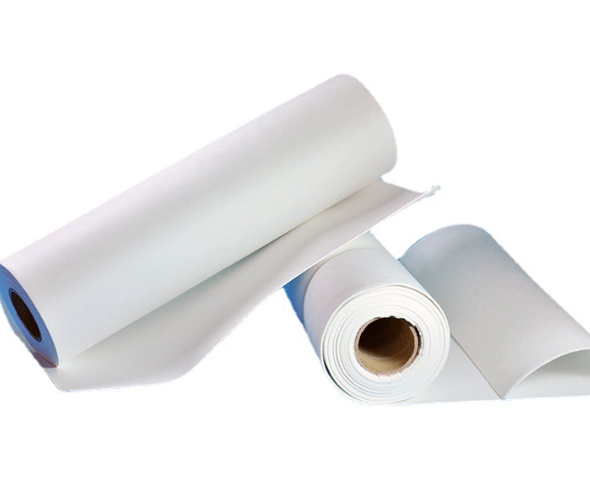
Post-cleaning handling directly impacts the ceramic fiber cloth’s lifespan. After washing, air-dry the cloth naturally in a well-ventilated, dry environment away from direct sunlight. Avoid high-temperature baking or exposure to intense heat, as temperatures exceeding 100°C may cause fiber structure brittleness. During drying, periodically turn the cloth to ensure even drying on both sides and prevent localized moisture buildup or mold growth. After drying, gently brush the surface fibers with a soft-bristled brush to restore flatness. If fiber clumps are found, lightly tap them loose—never pull forcefully. For ceramic fiber cloth used in high-temperature applications, low-temperature setting treatment (80-100°C for 20 minutes) may be performed post-drying to enhance inter-fiber bonding and maintain structural stability.
Post-cleaning maintenance and inspection are equally critical. After each wash, verify the ceramic fiber cloth’s thickness, tensile strength, and thermal insulation properties. If thickness decreases by over 5%, tensile strength drops by more than 10%, or insulation performance significantly degrades (e.g., thermal conductivity increases by over 15%), assess suitability for continued use. Simultaneously, repair any pre-cleaning marked damage using patches of identical ceramic fiber cloth and high-temperature adhesive. Allow the adhesive to cure for 24 hours post-repair to ensure durable, secure bonding.
Through standardized pre-cleaning preparation, appropriate cleaning methods, scientific post-treatment, and regular maintenance, damage to ceramic fiber cloth during cleaning can be effectively minimized. This extends its reusability, reduces operational costs, and ensures the cloth continues to deliver outstanding thermal insulation and protective performance in industrial applications.