In high-temperature environments such as industrial furnaces, the thickness and density of high-temperature ceramic fiber insulation boards have a direct impact on their effectiveness and longevity. Reasonable matching parameters can not only guarantee the stable operation of the equipment, but also reduce energy consumption, so it needs to be combined with specific scenarios of scientific decision-making.
From the thickness point of view, the thickness of ceramic fiber insulation board needs to be determined according to the working temperature of the equipment and heat loss requirements. Generally speaking, the higher the working temperature, the greater the required thickness. For example, in the high-temperature furnace above 1000 ℃, if the choice of thin ceramic fiber insulation board, the heat is easy to dissipate through the plate conduction, resulting in slow heating of the kiln, energy consumption increases. In the low temperature environment (such as 600 – 800 ℃), too thick board will increase the weight of the equipment, but also due to thermal expansion and contraction of the gap, affecting the insulation effect. In addition, the frequency of thermal cycling of the kiln also needs to be considered, frequent temperature rise and fall of the equipment needs to be appropriate to increase the thickness, in order to cushion the temperature change brought about by the impact of the stress.
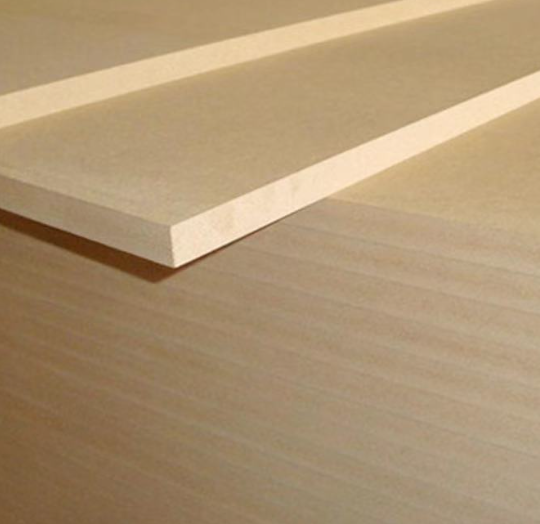
The choice of density is closely related to the strength and thermal insulation properties of ceramic fiber insulation board. Density is too low, the internal pores of the board is large, although better insulation, but the structure of the loose, wind erosion and mechanical impact resistance is weak, in the kiln fan blowing or material collision is easy to break. On the contrary, high-density ceramic fiber insulation board structure is more compact, higher strength, suitable for use in the furnace door, observation holes and other parts susceptible to external impact, but the thermal insulation performance will be slightly reduced. Usually, the conventional industrial furnace selection density of 200 – 300kg/m³ of ceramic fiber insulation board, both to meet the demand for heat insulation, but also to ensure structural stability.
At the same time, attention should be paid to the thickness and density of the synergistic match. If the furnace space is limited, can not increase the thickness, can increase the density to make up for the thermal insulation performance; if the pursuit of the ultimate lightweight, under the premise of sufficient thickness, can be appropriate to reduce the density. In addition, there are performance differences between different brands of ceramic fiber insulation board, the choice of manufacturers need to refer to the thermal conductivity curve and compressive strength data provided by the manufacturer, combined with the actual working conditions to calculate the heat loss, and ultimately determine the optimal parameters.
In short, the choice of high temperature ceramic fiber insulation board thickness and density, need to take into account the operating temperature, equipment structure, mechanical requirements and other factors, through the parameters of the synergy to achieve a balance between thermal insulation and practicality, so that the ceramic fiber insulation board in the high temperature environment to play the best performance.