Ceramic fibre blankets are lightweight, soft and easy to cut, and can be trimmed and processed to suit different applications. In high-temperature environments, they effectively block airflow and prevent heat conduction, providing excellent thermal insulation. During use, proper maintenance can extend the service life of ceramic fibre blankets and enhance their performance.
Proper maintenance can extend the service life of ceramic fibre blankets and ensure their proper functioning. Failure to carry out timely maintenance and care may result in damage to or shedding of the fibre, thereby compromising their thermal insulation properties. Furthermore, ageing and damage may occur during prolonged use, requiring prompt attention.
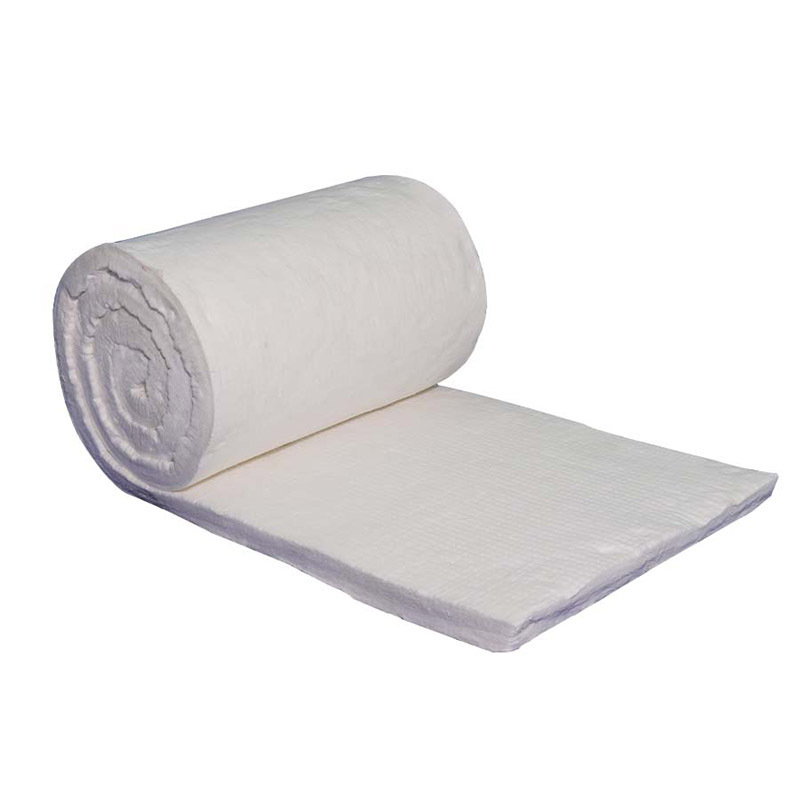
How to maintain the service life of ceramic fibre blankets:
1. Avoid direct contact with sharp objects. Place warning signs around the area where the ceramic fibre blanket is used to remind people to avoid collisions or scratches.
2. Avoid mechanical damage: Handle with care during installation and movement to prevent mechanical damage, such as impacts or scratches.
3. Prevent liquid corrosion: If contact with liquids is unavoidable, select materials with good stability suitable for that specific liquid environment.
4. Do not exceed the operating temperature: When selecting ceramic fibre blankets, choose products classified according to the ambient temperature; under no circumstances should they be used beyond their specified temperature limits during daily use.
5. Inspect the surface of the fibre blanket regularly; any damaged or compromised sections should be repaired or replaced promptly.
6. During use, avoid exposing the fibre blanket to high-humidity environments to minimise moisture damage.
7. Take care to prevent the fibre blanket from coming into contact with gases containing volatile organic compounds to avoid chemical reactions.
What should be noted when storing ceramic fibre blankets?
1. Dry storage environment: Store in a well-ventilated, dry environment; never store in damp conditions or where the product may be exposed to rain.
2. Avoid compression: When storing, ensure the product is not compressed by heavy objects or stacked on top of other items.
3. Regular inspection of storage conditions: Inspect the storage conditions regularly and keep records; address any abnormalities promptly.
Regular inspections during use:
Regularly inspecting the condition of the ceramic fibre blanket is a crucial part of maintenance, enabling the timely identification of issues and the implementation of appropriate measures. The following are some recommended inspection points:
1. Check the surface of the fibre blanket for any obvious signs of wear, cracks or deformation.
2. Check that the joints of the blanket are secure, and that there are no signs of loosening or detachment.
3. Check whether there has been a significant decline in the blanket’s thermal insulation performance; this can be assessed by measuring the surface temperature or using an infrared thermometer.
4. Regularly inspect the ceramic fibre blanket for damage; ageing and deterioration may occur during prolonged use, which could affect its normal operational performance.
How to address damage to ceramic fibre blankets:
1. Replace with new material: If damage is found that cannot be repaired, or if repairs prove ineffective, the old material must be replaced with new material.
2. Carry out repairs: For minor, localised damage, the issue can be resolved through spot repairs. However, care must be taken to ensure that the repairs do not compromise overall performance or safety.
In summary, when correctly installed and properly maintained, ceramic fibre blankets can better fulfil their thermal insulation and fire-resistant functions, playing a greater role in both industrial and domestic applications.