During the operation of high-temperature electric furnaces, energy consumption is closely related to the performance of insulation materials. Ceramic fiber insulation boards, with their unique material structure and physical properties, have become the core material for reducing energy consumption in electric furnaces. Their energy-saving principles are achieved through multiple mechanisms, including blocking heat transfer, reducing heat loss, and stabilizing furnace temperatures, playing a crucial role in industrial high-temperature heating applications.
The low thermal conductivity of ceramic fiber insulation boards is the key to blocking heat conduction. During the operation of high-temperature electric furnaces, heat conduction through the furnace walls is one of the primary sources of heat loss. Ceramic fiber insulation boards are composed of interwoven inorganic ceramic fibers, forming numerous closed pores within their structure. These pores effectively block both conductive and convective heat transfer. Data indicates that their thermal conductivity can be as low as 0.03–0.1 W/(m·K), which is only 1/5 to 1/3 of that of traditional refractory bricks. When ceramic fiber insulation boards are used as the insulation layer for the furnace walls of electric furnaces, heat loss through solid conduction is significantly reduced, with the outer wall temperature of the furnace body maintained below 60°C, resulting in over 50% reduction in conduction heat loss compared to traditional materials.
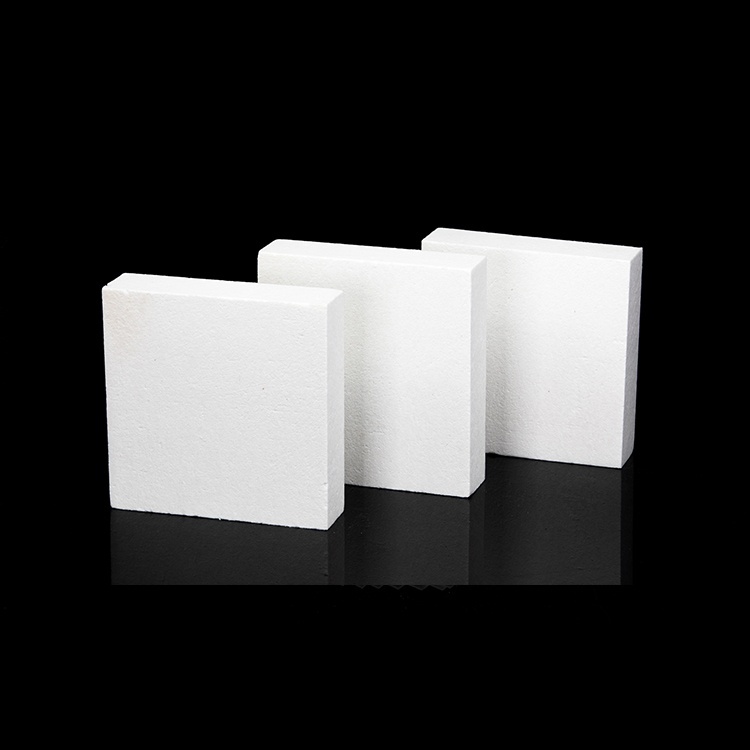
Enhanced reflection and absorption of thermal radiation further boost energy efficiency. In high-temperature electric furnaces, thermal radiation accounts for over 40% of heat transfer. The fiber surface of ceramic fiber insulation boards can reflect part of the infrared radiation, while their porous structure can absorb the unreflected radiant heat, reducing the diffusion of radiant heat outside the furnace. In a high-temperature environment of 1000°C, high-quality ceramic fiber insulation boards have a heat radiation blocking rate exceeding 80%, ensuring that more heat inside the furnace is used for material heating rather than being lost through radiation to the environment, directly improving the thermal efficiency of the electric furnace.
Temperature stability is key to reducing repeated energy consumption with ceramic fiber insulation boards. Traditional insulation materials tend to shrink or crack at high temperatures, causing significant fluctuations in furnace temperature, requiring the electric furnace to frequently reheat to compensate for heat loss. Ceramic fiber insulation boards have excellent thermal shock resistance and do not undergo structural changes during sudden temperature fluctuations, maintaining the integrity of the insulation layer over the long term. This keeps the temperature fluctuation range inside the high-temperature electric furnace within ±5°C, reducing additional energy consumption caused by temperature fluctuations and making the heating process more efficient and stable.
Additionally, the lightweight nature of ceramic fiber insulation boards indirectly reduces the startup energy consumption of electric furnaces. Compared to traditional heavy refractory materials, ceramic fiber insulation boards weigh only 1/10 to 1/5 as much, reducing the thermal capacity of the furnace body. During startup, the furnace does not need to consume excessive energy to heat the furnace body itself, resulting in a 30% or more increase in heating speed and a shorter preheating phase, further achieving energy-saving goals.
In summary, ceramic fiber insulation boards significantly reduce energy consumption in high-temperature electric furnaces through multiple energy-saving principles, including low thermal resistance conduction, efficient radiation insulation, stable temperature reduction of fluctuations, and lightweight rapid heating, making them an ideal choice for energy-saving upgrades of industrial heating equipment.