In the field of industrial high-temperature insulation, ceramic fiber blankets are widely used due to their excellent thermal insulation properties. Their thermal conductivity is influenced by various factors, with thickness being one of the key factors. Understanding the differences in thermal conductivity between ceramic fiber blankets of different thicknesses is crucial for precisely matching insulation requirements and improving energy efficiency.
Taking a well-known brand’s ceramic fiber blankets as an example, the brand offers three common thicknesses: 10mm, 20mm, and 30mm. When tested at an average temperature of 200°C, the thermal conductivity of a 10mm-thick ceramic fiber blanket is approximately 0.055 W/(m·K); the 20mm-thick product has a thermal conductivity of 0.052 W/(m·K); and the 30mm-thick ceramic fiber blanket has a thermal conductivity of 0.05 W/(m·K). This indicates that in low-temperature environments, as thickness increases, the thermal conductivity of ceramic fiber blankets decreases, and insulation performance improves.
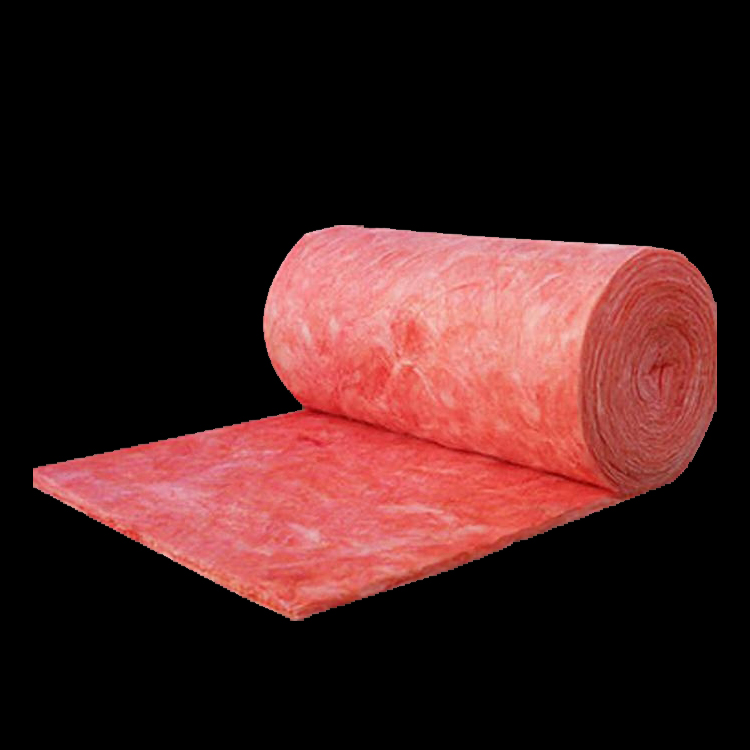
When the temperature rises to 400°C, the change in thermal conductivity becomes more pronounced. The thermal conductivity of a 10mm-thick ceramic fiber blanket increases to 0.095 W/(m·K); for a 20mm-thick blanket, it is 0.09 W/(m·K); and for a 30mm-thick blanket, it stabilizes at 0.088 W/(m·K). It is evident that within the medium-temperature range, increasing thickness plays an increasingly significant role in reducing the thermal conductivity coefficient and enhancing thermal insulation performance. This is because thicker ceramic fiber blankets form more air barrier layers internally, prolonging the heat transfer path and thereby effectively reducing heat conduction.
At high temperatures of 800°C, the thermal conductivity of a 10mm-thick ceramic fiber blanket reaches 0.24 W/(m·K); for a 20mm-thick blanket, it is 0.22 W/(m·K); and for a 30mm-thick blanket, it drops to 0.2 W/(m·K). At high temperatures, heat transfer mechanisms become more complex, with increased influences from radiation and convection. However, increasing the thickness of the ceramic fiber blanket still significantly reduces the thermal conductivity. For example, in high-temperature kiln insulation applications, areas using a 30mm-thick ceramic fiber blanket exhibit significantly lower outer surface temperatures on the kiln walls compared to areas using a 10mm-thick product, effectively reducing heat loss and lowering energy consumption.
In summary, regardless of whether in low-temperature, medium-temperature, or high-temperature environments, the thermal conductivity of ceramic fiber blankets is closely related to thickness. Increasing thickness can effectively reduce thermal conductivity and enhance insulation performance. When selecting ceramic fiber blankets, users should choose the appropriate thickness based on actual operating temperatures and insulation requirements to fully leverage the optimal insulation performance of ceramic fiber blankets under different operating conditions, achieving efficient energy savings and stable operation.