In the selection of insulation materials for industrial high temperature equipment, the performance difference between ceramic fiber insulation board and traditional refractory materials (such as clay bricks, high alumina bricks, etc.) has attracted much attention. The following from a number of dimensions to compare the performance of the two, to provide reference for the enterprise selection of materials. From the point of view of thermal insulation performance, ceramic fiber insulation board has obvious advantages. Traditional refractory materials have a high thermal conductivity, in a high-temperature environment, the heat is easily lost through the material conduction, resulting in increased energy consumption of the equipment. The porous structure inside the ceramic fiber insulation board can effectively block the heat transfer, and its thermal conductivity is much lower than that of traditional refractory materials. Under the same thickness, the thermal insulation effect of ceramic fiber insulation board is several times that of traditional refractory materials, which can significantly reduce the heat loss of industrial furnaces and other equipment, and maintain a stable internal temperature. In terms of weight, ceramic fiber insulation board is more lightweight. Traditional refractory material density, heavy weight, will increase the overall load of the equipment, the structural strength of the equipment requires high. The density of ceramic fiber insulation board is small, only a fraction of the traditional refractory materials, when used to significantly reduce the weight of the equipment, reduce the structural pressure on the equipment, to extend the service life of the equipment. Both have their own characteristics in terms of high temperature resistance and thermal shock resistance.
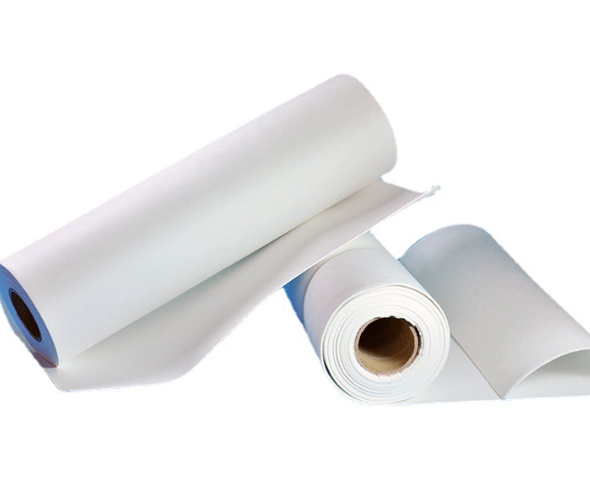
Traditional refractory materials can withstand extremely high temperatures, but the thermal shock resistance is poor, in the rapid change in temperature is prone to cracking, peeling phenomenon. Ceramic fiber insulation board has good resistance to high temperatures, while its fiber structure so that it has excellent thermal shock resistance, can adapt to the rapid rise and fall of the temperature, not easy to damage due to thermal stress, more suitable for frequent starting and stopping of high temperature equipment. In terms of construction convenience, ceramic fiber insulation board is superior. The construction of traditional refractory materials is complicated, requiring masonry, grouting and other cumbersome procedures, time-consuming and labor-intensive, and the construction cycle is long. Ceramic fiber insulation board is lightweight, good toughness, can be cut flexibly according to the needs of the installation without the need for complex processes, which can significantly shorten the construction time, improve construction efficiency and reduce labor costs. In addition, in terms of environmental protection and energy saving, ceramic fiber insulation board is also more in line with the development needs of modern industry. Traditional refractory production process, high energy consumption, and difficult to degrade after the waste, easy to cause environmental pollution. Ceramic fiber insulation board production of low energy consumption, and can be recycled after disposal, less impact on the environment, in line with the development trend of green environmental protection. Comprehensive view, ceramic fiber insulation board in the thermal insulation, lightweight, thermal shock resistance, convenient construction and environmental protection are better than traditional refractory materials, is the ideal choice for industrial high temperature equipment insulation materials upgrade.