In the petrochemical industry, the media transported through pipelines are diverse and highly corrosive, imposing stringent chemical corrosion resistance requirements on ceramic fiber blankets used for pipeline insulation. To accurately assess the suitability of ceramic fiber blankets in petrochemical pipeline environments, this chemical corrosion resistance test was conducted.
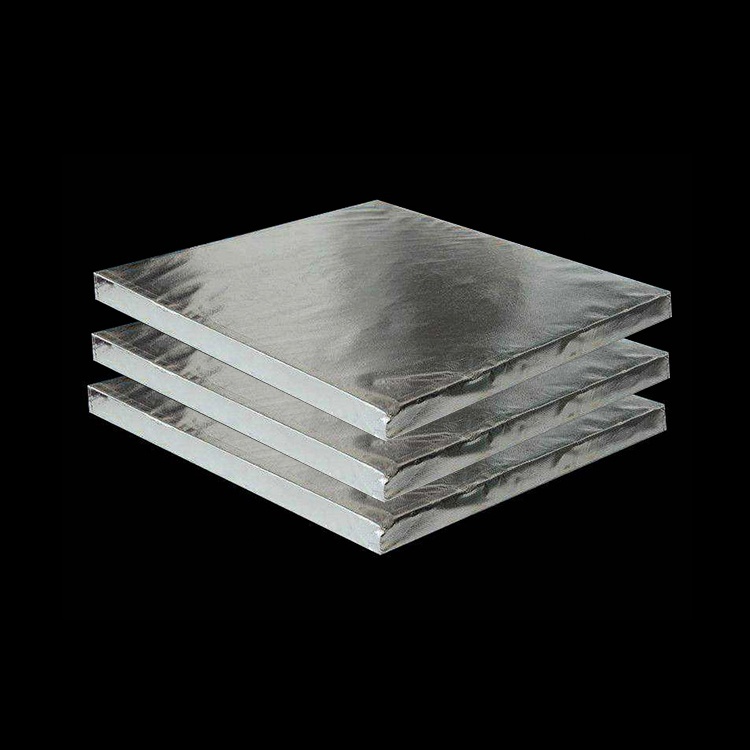
The test selected high-alumina and zirconia-containing ceramic fiber blankets, which are commonly available on the market and widely used in the petrochemical field. High-alumina ceramic fiber blankets have a higher aluminum oxide content and exhibit certain high-temperature performance; zirconia-containing blankets, due to the addition of zirconium, theoretically offer superior chemical stability. Test samples were cut into 10cm × 10cm squares to ensure uniform dimensions for subsequent data comparison.
To simulate the chemical media that petrochemical pipelines may encounter, various corrosive environments were simulated. The corrosive media included 10% hydrochloric acid solution, 15% sulfuric acid solution, 10% sodium hydroxide solution, and common petroleum products (such as gasoline and diesel). The ceramic fiber blanket samples were fully immersed in each medium, with three parallel samples per medium group to enhance the accuracy of the test results. The test environment temperature was controlled at 40°C to simulate the actual operating temperature conditions of petrochemical pipelines, with a continuous immersion time of 30 days to simulate long-term use scenarios.
During the test, the samples were visually inspected every 5 days to record any phenomena such as fiber shedding, discoloration, or brittleness. Additionally, an electronic universal testing machine was used to periodically measure changes in tensile strength, assessing the impact of corrosion on mechanical properties. An infrared spectrometer was used to analyze changes in the chemical structure of the sample surface, determining whether new chemical substances had formed, thereby confirming whether the ceramic fiber blanket had reacted chemically with the corrosive medium.
Test results showed that in hydrochloric acid and sulfuric acid solutions, high-alumina ceramic fiber blankets began to exhibit minor fiber shedding after 10 days of immersion, with surface color darkening and tensile strength decreasing by approximately 15% after 20 days; Zirconia-containing ceramic fiber blankets performed relatively better, with only minimal fiber shedding after 15 days of immersion, a decrease in tensile strength of approximately 8% after 30 days, and minimal changes in surface chemical structure. In sodium hydroxide strong alkaline solutions, both types of ceramic fiber blankets exhibited varying degrees of corrosion. The high-alumina type showed significant brittleness after 5 days, with tensile strength decreasing by over 30%. Although the zirconia-containing type exhibited slightly better corrosion resistance, it also exhibited brittleness after 20 days of immersion, with tensile strength decreasing by approximately 20%. Notably, after 30 days of immersion in petroleum products such as gasoline and diesel, both ceramic fiber blankets showed no significant changes in appearance, with tensile strength remaining largely stable and no detectable alterations in chemical structure, indicating good resistance to petroleum products.
Based on the comprehensive test results, zirconia-containing ceramic fiber blankets exhibit superior corrosion resistance compared to high-alumina types in most common chemical media found in the petrochemical industry. However, it is important to note that even zirconia-containing ceramic fiber blankets may face corrosion risks in strongly alkaline environments. In practical applications, if the main medium transported in petrochemical pipelines is acidic or oil-based, zirconia-containing ceramic fiber blankets are an ideal choice for insulation material; if strong alkaline media are involved, careful assessment or additional protective measures should be taken to ensure that the ceramic fiber blankets can maintain stable insulation performance in petrochemical pipeline environments and ensure the safe operation of the pipeline system.