In the operation of industrial furnaces, the selection of thermal insulation materials is of critical importance. Ceramic fiber insulation boards, with their outstanding performance, have become the preferred choice for many companies. Let’s take a detailed look at the application advantages of ceramic fiber insulation boards in industrial furnaces.
Firstly, ceramic fiber insulation boards offer superior thermal insulation performance. Industrial furnaces generate extremely high temperatures during operation. If insulation is inadequate, a significant amount of heat will be lost, not only reducing the furnace’s operational efficiency but also wasting a large amount of energy. Ceramic fiber insulation boards are made from ceramic fibers, which contain a large number of air pores. These pores effectively block heat transfer, thereby reducing heat loss. When applied to the walls and roof of industrial furnaces, they significantly improve insulation performance, stabilize internal temperatures, and ensure smooth production operations.
Second, ceramic fiber insulation boards effectively reduce energy consumption. In today’s context of promoting energy conservation and environmental protection, industrial production is increasingly focusing on energy consumption. Due to the excellent thermal insulation performance of ceramic fiber insulation boards, kilns do not need to frequently consume energy to maintain temperature once the required temperature is reached, thereby significantly reducing energy usage. Over the long term, this can save enterprises a significant amount of energy costs and improve economic efficiency.
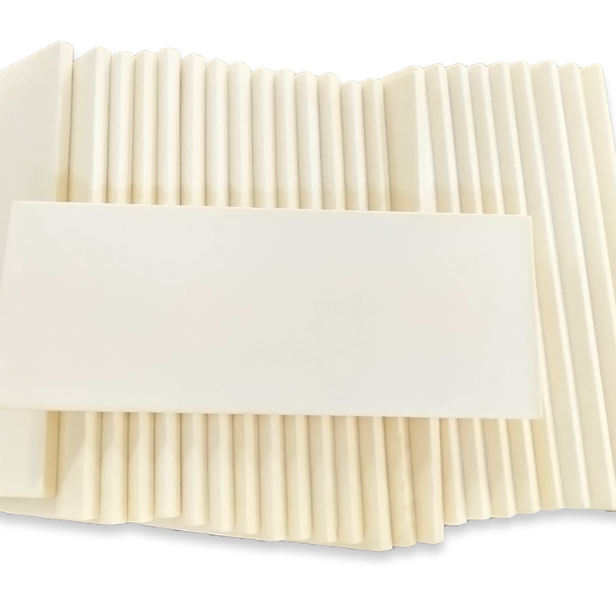
Furthermore, ceramic fiber insulation boards have excellent high-temperature resistance and thermal shock resistance. Industrial kilns experience significant temperature fluctuations, sometimes undergoing rapid heating or cooling, which places high demands on the high-temperature resistance and thermal shock resistance of insulation materials. Ceramic fiber insulation boards maintain stable performance in high-temperature environments and do not crack or deform due to sudden temperature changes, thereby extending the service life of kilns and reducing maintenance and replacement costs caused by material damage.
Additionally, ceramic fiber insulation boards are easy to install and maintain. They are lightweight, making transportation and installation more convenient and labor-saving compared to traditional insulation materials, thereby shortening the construction and maintenance cycles of kilns. Furthermore, ceramic fiber insulation boards have good chemical stability and are resistant to corrosion from harmful gases and chemicals inside the furnace, making daily maintenance simple and reducing maintenance costs for businesses.
Finally, ceramic fiber insulation boards also have excellent sound insulation properties. Industrial furnaces generate significant noise during operation, which can affect the surrounding environment and the physical and mental health of workers. The porous structure of ceramic fiber insulation boards can absorb part of the noise, reducing its transmission and creating a relatively quiet production environment for enterprises.
In summary, ceramic fiber insulation boards offer numerous application advantages in industrial furnaces, including superior thermal insulation performance, reduced energy consumption, high-temperature resistance and thermal shock resistance, convenient installation and maintenance, and excellent sound insulation effects. They are an excellent choice for industrial furnace insulation materials and deserve widespread promotion and application within the industry.